
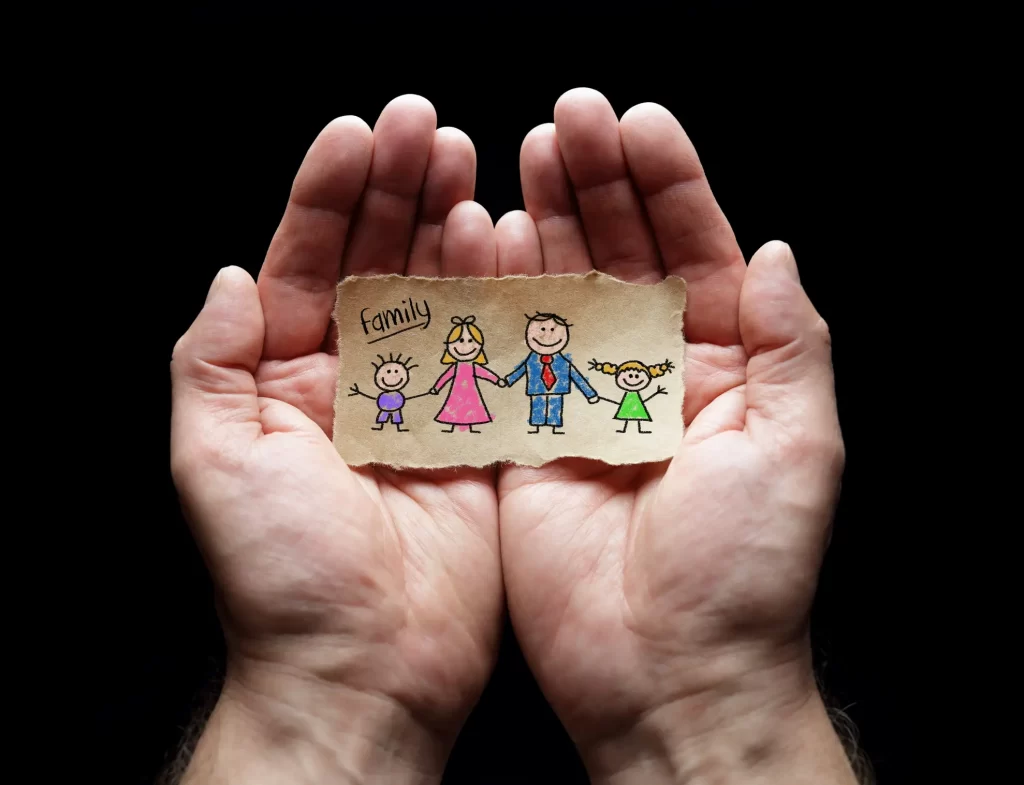
در کسب و کارهای خانوادگی، میراث هر خانواده به مقدار خود آن خانواده، منحصر به فرد است و اغلب خانوادهها تمایل به اتصال و حفظ میراث خود در طول نسلها دارند. یکی از راههای انجام این کار، بهاشتراکگذاری و حفظ میراثهایی هم چون نام، داستانهای خانوادگی، اسطورهها، مصنوعات، سنتهای مهم، تاریخچه شخصی، وصایا، باورها و اصول ماندگار خانواده خواهد بود.
در کسب وکار خانوادگی، میراث، بافتی است که هدف اصلی کسب و کار، ارزشهای خانواده و دستاوردهای معنادار را در چندین نسل پیوند میدهد. این موضوع نشاندهنده داراییهای ملموس و نامشهود یک خانواده و ارزش مالی، اجتماعی و عاطفی است که طی زمان انباشته شده است. کسب و کار و میراث خانوادگی به طور جداییناپذیر در هم تنیده میشوند.
میراث نه تنها نگاه کردن به آن چه از دیدگاه کسب و کار و خانوادگی ارزشمند است، بلکه نگاه کردن به آنچه خانوادهها را ترغیب میکند تا ارزشمندی به نسلهای بعدیشان ادامه یابد، است. اصولا انتقال میراث، مسئولیت بزرگی برای خانواده است. بدترین اتفاق آن است، میراثی که به نسل بعدی منتقل کنیم، کمتر از چیزی باشد که دریافت کردهایم!
خانواده بنا به ماهیت خود یک گروه اجتماعی پایدار است و انتظار میرود که همواره در جامعه پایدار بماند.
گرچه در طول زمان دگرگونیهایی بهوجود میآید، اما خانواده همچنان دارای وحدتی است که آن را از سایر اشکال سازمانهای اجتماعی متمایز میکند. در کسب و کارهای خانوادگی میراثی که برای نسلهای آینده باقی میماند عموما بهعنوان یک «هدیه» پذیرفته میشود. تعهد به پیشبرد میراث میتواند توسط برخی بهعنوان یک بار تلقی شود. روز به روز آشکار میشود که مشارکت خانواده در تداوم میراث و چگونگی حفظ و مدیریت آن، به یک مسئولیت سنگین و منبع تنش تبدیل شود. این مسئولیت و تعهد برای نسلهای جوان سنگینتر است و ضرورت دارد تا آن را درک کنند.
به هر حال ماهیت عملگرایانه کسب و کار خانوادگی و رونق درازمدت آن با ماهیت «مولد» و زیربنای عاطفی میراث خانواده ارتباط تنگاتنگی دارد، در واقع باید دید که خانوادهها چگونه میراث خود را در چندین نسل کدگذاری، منتقل و توصیف میکنند. وقتی میراث به عنوان وسیلهای برای عبرت گرفتن از گذشته مورداستفاده قرار میگیرد، در فرآیندهای کسب و کار به شکل مستمر بهبود ایجاد نموده و ارتباط عاطفی بین خانواده و کسب و کار را تقویت میکند.
کسب و کار خانوادگی ثروتی است که در یک مقطع زمانی خاص دارای ارزش است، در حالی که میراث، ارزش نسلی است که خانواده کسب وکار در چندین دوره زمانی به ایجاد آن کمک کرده است. این میراث ارزشی نیست که به سادگی به نسل بعدی انتقال داده شود، بلکه مسئولیتی است که از آنها خواسته میشود تا موفقیت کسب و کار و شهرت خانواده را حفظ کنند. دریافت یک میراث، اغلب بهعنوان یک افتخار و امتیاز تلقی میشود و یک گفت و گوی میراثی میتواند در زمینه «جلو بردن» و رشد آن، موثر باشد.
فکر کردن در باره آنچه والدین یا پدر بزرگ و مادر بزرگ با داشتن منابع کمتر توانستهاند بهدست آورند، میتواند چالشبرانگیز باشد.
آیا هرگز به خوبی آنها خواهیم بود؟
چگونه میتوانیم به آنچه آنها خلق کردهاند، احترام بگذاریم؟
از سوی دیگر، مسئولیت یک مالک و مباشر خوب به نسل بعدی به طور تصاعدی افزایش مییابد. بنیانگذارانی که با یک ایده شکست میخورند، اغلب به نقطه اول برمیگردند و از نو شروع میکنند. داراییهایی که نسلهای بعدی، مسئول پیشبرد آن هستند، معمولا افراد بیشتری را تحت پوشش دارند و در نتیجه، تاثیر موفقیت یا شکست آنها تاثیرگذارتر است.
بازگشتی وجود ندارد، اما حرکت به جلو نیز همیشه آسان نیست. اگرچه ممکن است دیدگاههای متفاوتی در میان نسلهای مختلف در باره نحوه مدیریت کسب و کار وجود داشته باشد، اما یک چیز ثابت میماند: تمایل به حفظ و اعتلای کسب و کار و میراث خانواده. حتی برای اعضای خانواده که در شرکت شاغل نیستند، میراث مسئولیتی است که هر نسل باید آن را حفظ کند تا اصول و ارزشهای خانواده، کسب و کار و تعهدات مالک بودن را منتشر کند.
بسیاری از کسب و کارهای خانوادگی، میراث خود را با کمکهای معنادار به جوامع اطراف خود ایجاد و حفظ میکنند. بیشترشان به شکل فعالیتهای بشردوستانه از طریق کمکهای مالی به سازمانهایی که برای آنها مهم هستند، به جامعه کمک میکنند. بسیاری نیز با اهدای وقت خود و به اشتراک گذاشتن تخصص خود در انجمنها و هیاتهای خیریه، هدایای قابلتوجهی تقدیم میدارند.
بسیاری از ما دوست داریم، بدانیم آیا به دنیا و زندگی دیگران کمکی کردهایم که ارزش بهخاطر سپردن و ادامه دادن داشته باشد؟
مانند بسیاری از جنبههای کسب و کار خانوادگی، ایجاد و حفظ یک میراث معنادار اهمیت بیشتری دارد. میراث نهتنها دستاوردهای کسب و کار را نشان میدهد، بلکه بازتابی از شخصیت کل خانواده و آنچه میخواهند به نسلهای بعدی برای حفظ و تطبیق انتقال دهند، است. ایجاد و برپایی انگیزهها و ارزشهای خانوادگی در کسب و کار نه تنها برای گسترش میراث خانوادگی و کسب و کار، بلکه برای پرورش و هدایت تکامل مستمرشان ضروری است.
درک چگونگی استفاده از ثبات خانواده به عنوان یک سازمان اجتماعی برای حمایت و حفظ کسب و کارهای خانوادگی تقویتکننده است. واضح است که میراث خانوادگی و کسب و کار برای یک دیگر و برای هر نسلی که آنها را به عنوان هدیه دریافت میکند، مهم است. این امر برای همسویی اهداف کسب و کار و ارزشهای خانواده برای خلق میراثی ماندگار که الهامبخش نسلهای بعدی است، اهمیت فراوانی دارد.
In family businesses, the heritage of each family is as unique as that family itself, and most families tend to connect and preserve their heritage over generations. One of the ways to do this is to share and preserve legacies such as names, family stories, myths, artifacts, important traditions, personal history, wills, beliefs, and enduring principles of the family.
In family business, heritage is the fabric that is the main purpose of the business and Work links family values and meaningful achievements across generations. It represents the tangible and intangible assets of a family and the financial, social and emotional value accumulated over time. acquisition And work and family heritage are inextricably intertwined.
Heritage is not just looking at it Whether it is valuable from a business or family point of view, it is also about looking at what motivates families so that value continues to their next generations. Basically, the transfer of inheritance is a big responsibility for the family. At worst, the legacy we pass on to the next generation is less than what we received!
By its nature, the family is a stable social group and it is expected to always remain stable in the society.
Although changes occur over time, the family still has a unity that distinguishes it from other forms of social organization. In family businesses, the legacy that remains for future generations is generally as a “Gift“ will be accepted. The commitment to carrying on the legacy can be seen by some as a burden. Day by day, it becomes clear that the family’s participation in the continuation of the heritage and how to maintain and manage it, becomes a heavy responsibility and a source of tension. This responsibility and commitment is heavier for the younger generations and it is necessary for them to understand it.
However, the pragmatic nature of the family business and its long-term prosperity with the “productive“ nature And the emotional underpinnings of family heritage are intimately connected, in fact, to how families encode, transmit, and describe their heritage across multiple generations. When heritage is used as a means of learning from the past, in acquisition processes And work continuously improves and strengthens the emotional connection between family and business.
A family business is an asset that has value at a particular point in time, while a legacy is the value of a generation that the family has acquired. Work has helped create it over several periods of time. This legacy is not a value that is simply passed on to the next generation, but a responsibility that they are asked to maintain the success of the business and the reputation of the family. Receiving a legacy is often seen as an honor and a privilege, and a legacy conversation can be about To “advance“ and grow it effectively.
It can be challenging to think about what a parent or grandparent was able to achieve with fewer resources.
Will we ever be as good as them?
It can be challenging to think about what a parent or grandparent was able to achieve with fewer resources.
On the other hand, the responsibility of a good owner and steward to the next generation increases exponentially. Founders who fail with an idea often go back to square one and start over. Assets that the next generations are responsible for promoting, usually cover more people, and as a result, the impact of their success or failure is more effective.
There is no going back, but moving forward isn’t always easy either. Although there may be different views among different generations about how to run a business, one thing remains constant: The desire to preserve and enhance the business and family heritage. Even for family members who do not work in the company, the legacy is a responsibility that each generation must maintain to spread the principles and values of the family, the business and the obligations of being an owner..
Many family businesses build and maintain their legacy by making meaningful contributions to their surrounding communities. Most of them contribute to society in the form of philanthropic activities by donating to organizations that are important to them. Many also make significant gifts by donating their time and sharing their expertise to charitable associations and boards..
Many of us like to know if we have contributed to the world and the lives of others that is worth remembering and continuing.
As with many aspects of a family business, creating and maintaining a meaningful legacy is paramount. Heritage not only shows the achievements of the business, but also reflects the personality of the whole family and what they want to pass on to the next generations to preserve and adapt. Creating and establishing family motivations and values in business is necessary not only to expand the family heritage and business, but also to nurture and guide their continuous evolution..
Understanding how family stability can be used as a social organization to support and sustain family businesses is empowering. It is clear that family heirlooms and businesses are important to each other and to each generation that receives them as gifts. This is important for aligning business goals and family values to create a lasting legacy that inspires generations to come..