
نسل سوخته
چرا بنگاههای خانوادگی در ایران در معرض تهدید است؟
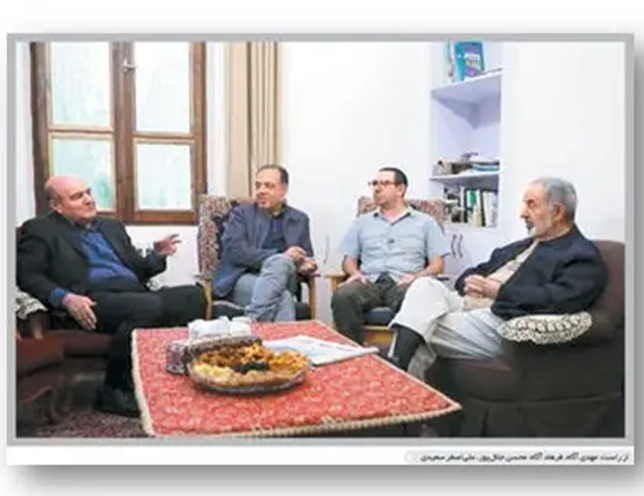
این میزگرد قرار بود به سوال مهمی که در مستند زندگی محسن جلالپور طرح شده بود پاسخ دهد اما ترجیح دادیم به دلیل اهمیتی که دارد متن آن را جداگانه منتشر کنیم. شبکه اینترنتی «اقتصاد ایران» مستندی از زندگی محسن جلالپور پخش کرد که در آن علیاصغر سعیدی، جامعهشناس و پژوهشگر کارآفرینی، سراغ او رفته و پرسیده چرا پسرانش راه او را در صنعت پسته ادامه ندادند؟
علی اصغر سعیدی به دنبال پاسخی برای این پرسش بوده که چرا در اقتصاد ایران خیلی از فرزندان تمایل ندارند راه پدر را در کسب وکار ادامه دهند؟
به طور مشخص محسن جلالپور که وارث کسب و کار خانوادگی به قدمت بیش از 150 سال است چنین مشکلی را پیش رو دارد. پسرانش (امین و رامین) راه او را انتخاب نکردهاند. امین (پسر بزرگش) یکی از دو بنیانگذار استارتآپی به نام «آدرس» است که در زمینه املاک فعالیت میکند و رامین برای ادامه تحصیل به خارج از کشور رفته و فعلاً قصد بازگشت ندارد.
محسن جلالپور تنها کارآفرین ایرانی نیست که با این معضل مواجه شده است؛ خیلی از بنیانگذاران کسب و کارهای ایرانی با این مشکل دست و پنجه نرم میکنند. در این میزگرد محسن جلالپور، مهدی آگاه-پسر غلامرضا آگاه و برادر منوچهر آگاه و پسرش فرهاد آگاه به پرسشهای علیاصغر سعیدی جامعهشناس و محقق کارآفرینی پاسخ دادهاند.
علی اصغر سعیدی
بنیانگذاران اصلی کسب و کارها معمولاً یک معضل بلند مدت دارند؛ اینکه چه کسی شایستگی اداره کسب و کارهایشان را دارد. همیشه پیدا کردن وارث شایسته برای بنیانگذاران شرکتهای بزرگ معضلی بلند مدت بوده است. سادهترین راه این است که پسر ارشد این نقش را بر عهده گیرد.
اگر مالک بنگاه پسر بزرگی نداشت یا پسر بزرگ خانواده این نقش را نپذیرفت چه؟
این پرسش عمومی ماست اما اگر بخواهیم کمی جهت پرسش را به جامعه ایران متمایل کنیم، آن وقت باید این سوال را مطرح کنیم که:
چرا نسل جدید کارآفرینان ایرانی علاقه ندارند کسب و کارهای خانوادگی را ادامه دهند؟
البته هم برای تایید و هم برای رد این فرضیه دو مثال داریم. آقای فرهاد آگاه که راه پدر را ادامه دادند این فرضیه را رد اما پسران آقای جلالپور که راه پدر را ادامه ندادند، آن را تایید میکنند. مقوله شرکتهای خانوادگی در همه اقتصادها حائز اهمیت است. بیش از 90 درصد کسب و کارهای جهان مالکیت و کنترل خانوادگی دارند. به گمانم جایی خواندم که خانوادهها مالکیت 33 درصد از شرکتهای آمریکا و 40 درصد شرکتهای آلمان و فرانسه را با درآمد بیش از یک میلیارد دلار در سال در اختیار دارند. برتری کنترل خانوادگی در کشورهای نوظهور همچنان بیشتر از بقیه است.
معروف است که در شرکتهای خانوادگی سه ماه، یک سال و دو سال معنی ندارد و افق این شرکتها، نسلهای بعدی است. غیرممکن است که بنیانگذار یک کسب و کار تجارت خود را به فردی بیتجربه و نا آگاه واگذار کند. بیشتر بنیانگذاران شرکتهای خانوادگی مدیران آینده شرکت خود را به دانشگاههای خوب میفرستند و تلاش میکنند جانشینان آنها پلههای ترقی را از پستهای پایین به بالا طی کنند. در نهایت اینکه شرکتهای خانوادگی چون بهتر از دیگر شرکتها اداره میشوند برای اقتصاد مفیدتر هستند. این شرکتها در بهرهوری و نوآوری از بقیه شرکتها بهترند و این برای یک اقتصاد اتفاق مهمی به شمار میرود.
رمز بنگاهداری موفق خانوادگی در وجود اقتصاد مبتنی بر رقابت و ثبات سیاسی و حاکمیت قانون است به همین دلیل مالکان بنگاههای خانوادگی چشمانداز بلندمدت دارند. مردم هم به اینگونه شرکتها علاقه دارند چون فکر میکنند به معنای واقعی حاصل دسترنج و توان یک خانواده هستند در نهایت اینکه خانوادهها میتوانند بسیار بهتر برای دستیابی به موفقیت بلند مدت در کسب و کار مجهز شوند.
اما این شرکتها ایرادهایی هم دارند. از جمله اینکه معمولاً برای فرزندان، الگو قرار دادن بزرگ یا بزرگان خانواده بسیار سخت است. مشکل بزرگ دیگر شرکتهای خانوادگی آن است که اعضای ضعیف از اعضای قدرتمند درس نمیگیرند. ویژگی مشترک بسیاری از وارثان شکستخورده این است که خانواده از سنین پایین پسر ارشد را برای این کار انتخاب میکنند و صرفنظر از توانایی او، شرکت را به دست او میسپارند.
من خیلی دوست دارم این را از زبان آقای آگاه و همینطور آقای جلالپور بشنوم که در کشور ما شرکتهای خانوادگی چه مشکلاتی دارند که معمولاً فرزندان کارآفرینان، کسب و کار پدران خود را ادامه نمیدهند؟
مهدی آگاه
قطعاً عوامل زیادی موثر است اما من میخواهم دلیلی را توضیح دهم که در روزنامه و هفتهنامه به آن نمیپردازید. یکی از مشکلات بزرگ همه بنگاههای اقتصادی در کشور ما این است که درآمدهای کسب و کار به خود کسب و کار برنمیگردد. علت اصلی این مساله ناشی از قوانین مالیاتی و اصول حسابداری است که بهتبع قوانین مالیاتی در کار تحمیل میشود.
اگر فرضاً یک شرکت هواپیمایی بخواهد هواپیمایی به مبلغ 120 میلیون دلار خریداری کند، طبق قوانین ایران باید بر حسب ارزش دفتری کالا در زمان خرید، ذخیره استهلاک بگیرد. یعنی مثلاً در سال 1397 نمیتواند بیشتر از یکچهارم استهلاک واقعی آن را بر اساس ارزش سال 1396 حساب کند و مابقی آن به سود واهی تبدیل میشود. به حکم قانون، شرکت مجبور است این سود واهی را تقسیم کند. در نتیجه در ایران همه شرکتها در طول زمان ورشکسته هستند.
هیچکدام از شرکتها به صورتی که بتوانند برای زمان بعدی تجدید قوا کنند ذخیره استهلاک ندارند. یک هواپیمای 120 میلیوندلاری که در زمان آقای هاشمیرفسنجانی خریداری شده و هنوز دارد پرواز میکند، به مبلغ 800 میلیون تومان مستهلک شده است در حالی که امروز با ذخیره استهلاک آن حتی چرخ این هواپیما را به شما نمیفروشند.
در اقتصاد تورمی ایران که فقط در یک سال و نیم اخیر جهش ارزی حدود300 درصدی داشته، نباید ذخایر استهلاک را اینطور حساب کرد، اما میکنند. هیچ صنعتی نمیتواند هم ثروتش را بین سهامداران تقسیم کند و هم پابرجا بماند؛ کاری که در شرکتهای ایرانی انجام میشود تقسیم ثروت است، تقسیم سود واهی ناشی از ارزیابی غلط استهلاکی است. قوانین مالیاتی ما ضد انباشت سرمایه بودهاند، سرمایه در شرکتها رسوب نمیکند، بلکه بین سهامداران تقسیم میشود.
شما مجبورید سودتان را بین سهامداران تقسیم کنید، سهامدار هم میرود برای همسر و فرزندش ماشین لوکس میخرد و این سود به اندوخته برای شرکت تبدیل نمیشود. ولی در شرکتهای آمریکایی سود سهام )dividend( اصلاً کاری به سود شرکتها ندارد.
درصد ناچیزی از سود شرکتها را به عنوان سود سهام در نظر میگیرند. در ایران به حکم قانون مخرب، در شرکتها چند برابر درآمد واقعی، سود از محل سرمایه تقسیم میشود. شرکتها مجبورند سود واهی نشان دهند و سود واهی را هم تقسیم کنند یعنی در واقع تقسیم سرمایه انجام میشود. بخش مهمی از هزینهها را هم با استفاده از انرژی یارانهای جبران میکنند.
ویژگی دیگری که این شرکتهای نحیف را در ایران به شکل ظاهری بادوام کرده، ارزش زمین این شرکتهاست اگرنه در ایران اصلاً شرکت موفق نداریم. شما یک شرکت پیدا کنید که در اوج موفقیت باشد و 10 سال بعد هم حداقل وجود داشته باشد و نامش مطرح باشد.
شرکت ارج را داریم که بعد از انقلاب اصلاً هیچوقت مطرح نبود. سال 1353 یا 1354 که من برای ایجاد و راهاندازی واحد صادرات در شرکت ارج استخدام شدم، کالای ارج در شیخنشینها بعد از برندهای آمریکایی از برندهای ایتالیایی هم فروش بسیار بهتری داشت و بسیار خوشنامتر بود، اما 10 سال بعد، از آن هیچ اثری نماند.
قوانین مخرب باعث شد سرمایهها از شرکت بیرون برود و فرار کند ولی زمین بزرگی که ارج در تهران داشته، امروز ارزش بسیار بالایی پیدا کرده است. عمده شرکتهای ما ورشکسته هستند فقط زمینی که در آن واقع شدهاند قیمت زیادی پیدا کرده است. راکفلر در سال 1353 به کرمان آمده، اگر آن موقع در هزار و یک شب کرمان، خانهای خریده بود، قیمت این خانه به دلار تا امروز بیشتر از هزار برابر شده بود.
شرکت بزرگ پارس الکتریک که تولیدکننده لوازم خانگی بود، ورشکسته شد، ولی قیمت زمین کارخانه آن در تهران، همه بدهیهایش را جبران کرد. اگر شما در انگلستان زمینی داشته باشید، در صدمین سال تاسیس شرکت هیچچیز ندارید چون زمینها متعلق به اشراف است و افراد آنها را اجاره میکنند. اگر در ایران چنین سیستمی برقرار بود، من به شما میگفتم که همه شرکتهای ایرانی ورشکسته هستند.
آنچه این شرکتها را که از نظر کاری ورشکسته هستند از ورشکستگی مالی نجات داده، افزایش قیمت زمین آنهاست. ارزش زمین و مستغلات مانع حاد شدن وضعیت میشود، ولی به هیچ وجه بهصرفه نیست در زمینی که قبلاً داشتهاید کارخانهای احداث کنید. باید زمین را بفروشید و بروید در جای ارزانتری زمین بخرید و کارخانه احداث کنید.
در شرایط امروز دیگر چه کاری میتوان کرد؟
امروز صادرات در ایران عملاً ممنوع است. امسال رکود صادراتی شدیدی داشتهایم. چرا؟
چون گوجه فرنگی را باید زیر کاهو به عراق قاچاق کنیم. هیچ کالایی پیدا میکنید که در چند ماه اخیر توانسته باشیم قانونی و بدون خطا آن را صادر کنیم؟
وزارت نیرو در بعضی جاها برق را قطع کرده تا آب برای کشت هندوانه استفاده نشود چون فکر کرده تولید و صادرات هندوانه از نظر مصرف آب بهصرفه نیست. از وزارت نیرو و وزارت کشاورزی به ورامین میروند و به کشاورزان میگویند برای صرفهجویی در آب، هندوانه نکارید، گندم بکارید. در حالی که هر 250 لیتر آب یک کیلو هندوانه تولید میکند ولی برای گندم هر 1600 لیتر آب یک کیلو گندم میدهد. گندم به شدت آببر است و اگر به قیمتهای بینالمللی، هندوانه تولید و صادر کنیم و در عوض گندم وارد کنیم 17 میلیارد مترمکعب آب در سال صرفهجویی شده است.
درک مسوولان از اقتصاد کشاورزی و اقتصاد آب تا این حد ناقص و غیرعلمی است. محاسبه این اعداد هیچ سوادی غیر از چهار عمل اصلی نمیخواهد. وقتی دو وزارتخانه نمیتوانند این محاسبات ساده را که حاصل چهار عمل اصلی است درک کنند، چه طور میتوان انتظار داشت دولتمردان تدابیری بیندیشند تا کسب و کارهای خانوادگی حفظ شود؟
شرایط اقتصادی ما اغلب بحرانی است. نرخ ارز را سالها ثابت نگه میدارند تا در نهایت مثل دیگ زودپزی که دولت سوپاپ آن را مسدود کرده باشد، منفجر شود. در این شرایط بسیاری از کسب و کارها متضرر میشوند، اما به بعضی از آنها مثل پسته ضرر کمتری وارد میشود و به همین دلیل افرادی که در صنعت پسته فعالیت میکنند بیشتر از دیگران دوام میآورند. جهش ارزی سال گذشته برای باغداران پسته فوقالعاده سودآور بود، اما به طور عادی10 سال زمان میبرد تا باغ پسته محصول بدهد و اگر یک خانواده بخواهد امسال کارش را شروع کند، امیدی ندارد که سودی ببرد چون حتی مشخص نیست تا یک سال بعد سیاستهای ارزی چه تغییری کند.
آقای روحانی و همه مسوولان به جهش ارزی به عنوان یک ظلم اجتماعی نگاه میکنند و نمیخواهند بپذیرند که این جهش ارزی نتیجه تورم انباشته است نه باعث تورم. علاقه دولت به ثابت نگه داشتن مصنوعی قیمت دلار از دوران قبل از انقلاب هم وجود داشت و در آن دوره بحث درباره این مساله بین آقای محمد یگانه و شاه هم مطرح بود.
شاه با درخواست هوشنگ انصاری برای کاهش قیمت دلار موافقت کرده بود و یگانه به ملاقات شاه رفت و گفت اعلیحضرت دستور بدهید دستهای من را قطع کنند که نتوانم به این مملکت خیانت کنم. ایشان به شاه گفت ما به این تولیدات غیرنفتی هم احتیاج داریم و این تصمیم شما کلیه تولیدات غیرنفتی را نابود خواهد کرد. از سال 1349 تا امروز ما همیشه دچار بحران بودهایم.
در این وضعیت چطور انتظار دارید یک شرکت خانوادگی در طول زمان دوام بیاورد؟ اصلاً اگر دوام بیاورد جای تعجب دارد.
سعیدی: ممنون از توضیحات بسیار خوبی که داشتید. البته شما به این پرسش پاسخ دادید که چرا کسب و کارها در ایران دوام پیدا نمیکنند؟ این مساله که جلوی انباشت سرمایه گرفته میشود، ناشی از عوامل بیرونی است. پیشنهاد میدهم با ثابت در نظر گرفتن وضعیت بیرونی و شرایط حاکم بر فضای کسب و کار، به روابط درون خانواده هم بپردازیم که بر ادامه کار شرکتهای خانوادگی تاثیر منفی میگذارند. مسائلی که در روابط بین پدر و فرزندان هم در بنگاههای خانوادگی میتواند موثر باشد.
مهدی آگاه: ممکن است عوامل دیگری هم در این زمینه اثرگذار باشد، ولی علت اینکه در دوره ما شرکتهای خانوادگی دوام نمیآورد این بود که به خاطر همین مساله عدم امکان محاسبه صحیح استهلاک، باید مرتب از جای دیگری به شرکت پول تزریق میشد.
سعیدی: در خانواده شما، فرزندانتان کار شما را دنبال میکنند و ادامه میدهند ولی در بسیاری از خانوادهها اینطور نیست. این تفاوت ناشی از چیست؟
مهدی آگاه: تداوم کسب و کار خانوادگی ما ناشی از ویژگیهای صنعت پسته است، پسته همیشه یک کالای صادراتی بود و دوره استهلاکگیری آن طولانیترین دوره برای یک کار است. احداث یک نیروگاه حداکثر شش سال زمان میخواهد ولی حداقل تا 10 سال نمیتوان روی سودآوری پسته حساب کرد. از سال دهم به بعد ممکن است کار سودآور شود. برای یک باغ پسته بالغ و مثمر، نسبت هزینههای جاری به درآمد در مقایسه با سایر صنایع و تولیدات بسیار کم است. برای همین باغدار پسته قدرت تحمل چندین سال سرکوب نرخ ارز و سپس جبران مافات پس از رها شدن فنر نرخ ارز را دارد.
سعیدی: چرا در بسیاری از خانوادهها نسل جدید به ادامه کسب و کارهای خانوادگی علاقه ندارند؟
این موضوع تا چه حد به روابط درون خانواده مربوط است؟
مهدی آگاه: وضعیت روابط خانوادگی متفاوت است. امروز از خانواده خسروشاهی، دارا خسروشاهی مدیرعامل اوبر است. تجارت تخصص اصلی این خانواده بوده و هنوز جنبهای از تجارت در این خانواده ادامه دارد. اما من ظهور کسب و کارهای جدید را مانع کار نمیدانم. متوجه میشوم که خیلی از جوانان دیگر به کسب و کارهای سنتی گرایش ندارند، ولی مساله اصلی در کشور ما این است که روشهای سنتی کسب و کار در مقابل هجوم دولت بسیار ضعیف و ناتوان هستند.
سعیدی: غیر از کشاورزی در سایر بخشها وضعیت چه طور است؟
در مواردی میبینیم که یک کارخانه صنعتی فعال است، ولی فرزندان حاضر نیستند به دنبال پدر به اداره آن کارخانه بپردازند. علت چیست؟
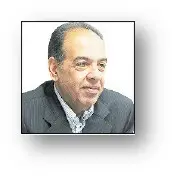
محسن جلالپور:
این یک واقعیت است که مالکان بنگاههای خانوادگی عموماً میخواهند شرکتهایشان تا نسلها باقی بمانند و به همین دلیل علاقه دارند سرمایهگذاریهای بلندمدت انجام دهند بدون آنکه نگران صید سود شرکت توسط سهامداران باشند.
اما در ایران خیلی از شرکتها در چنین تلههایی گرفتار شدهاند. واقعیت دیگری هم وجود دارد؛ اینکه بنیان یک شرکت خانوادگی خیلی باید محکم و استوار باشد که از این همه طوفان و سیل سیاسی عبور کند.
بنگاهداری در ایران هر روز سختتر میشود. بنگاههای ایرانی چه خانوادگی و چه غیرخانوادگی، دردهای مشترک بسیاری دارند. در معرض انواع ریسکهای سیستماتیک و غیرسیستماتیک قرار گرفتهاند، بیثباتی در اقتصاد و سیاست آزارشان میدهد، نااطمینانی و عدم قطعیت چشمانداز، فعالیتشان را تیره و تار کرده، فضای غیررقابتی و انحصار راه تنفسشان را بسته و نامساعد بودن فضای کسب و کار تداوم حیاتشان را به خطر انداخته است.
اشتباهات سیاستگذار در چند ماه گذشته آثار منفی زیادی بر فعالیت بنگاههای ما داشته است. مثلاً سیاستگذاری نادرست نرخ ارز فاحشترین خطایی بوده که سیاستگذار در این مدت مرتکب شده و هزینههای غیرقابل جبرانی به بنگاهها تحمیل کرده است. زمانی فکر میکردیم مهمترین دستاورد دولت آقای روحانی، ثباتبخشی به محیط اقتصاد کلان بوده است. این دستاورد اما به دلایل مختلف در دولت دوازدهم از دست رفته است. تنها بازگشت تورم دورقمی برای بیثبات کردن اقتصاد ایران کافی بود که آن هم به لطف سیاستهای غلط بازگشت. در اثر نا امن شدن محیط اقتصاد کلان، انگیزه سوداگری در بازارها تشدید شده که نتیجهاش کاهش انگیزه برای سرمایهگذاری بلند مدت است.
در حال حاضر حاشیه سود تولید به شدت پایین آمده و در مقابل بر جذابیت سوداگری و واسطهگری افزوده شده در نتیجه انگیزه سرمایهگذاری در تولید از بین رفته است. کسری بودجه و فشار بالای نقدینگی باعث افزایش تورم شده است. دولت به جای اینکه فکری به حال کسری بودجه کند و مکانیسمی برای حل مشکل نقدینگی بیابد، سرکوب بازار را در دستور کار قرار داده و سیاست کنترل قیمتها را کلید زده است. در حالی که تورم باعث افزایش همهجانبه هزینههای بنگاهها شده، دولت اجازه افزایش قیمت کالا را به بنگاه نمیدهد. نتیجه اینکه فعالیت بنگاههای ما غیراقتصادی و غیرعقلانی شده است.

این حجم از مداخله در اقتصاد منجر به تشدید بوروکراسی و افزایش تشریفات اداری شده است. بوروکراسی باعث شده واردات ماشینآلات و مواد اولیه مورد نیاز بنگاهها در پیچوخمهای اداری گیر کند. در این شرایط بنگاهها برای اینکه بتوانند از تله پیچیدگیهای زمانبر اداری عبور کنند، نیاز به ایجاد روابط غیررسمی غیراداری پیدا میکنند.
به این ترتیب پیچیدگی اداری از یک طرف باعث تحمیل هزینه به بنگاه شده و از طرف دیگر فساد را در دستگاههای اداری تشدید میکند. فساد، زد و بند و رشوه هم مثل موریانه در حال خوردن پایههای نظام اداری کشور است.
در کنار همه این گرفتاریها، تحریم هم شرایط سختی برای کشور به وجود آورده و رشد اقتصادی را منفی کرده است. تجربه گذشته به ما میگوید در شرایط تحریمی، اقتصاد غیررسمی بزرگتر شده و از این ناحیه به کسب و کارهای رسمی فشار وارد میشود. محدودیتهای بینالمللی همینطور باعث تحمیل هزینه گزاف نقل و انتقالهای پولی و واردات و صادرات کالا به بنگاههای ما میشود.
تحریمها و محدودیتهای بینالمللی همچنین باعث میشود واحدهای بینالملل در خیلی از بنگاههای ما محدود شود و مدیران برای دور زدن محدودیتها به قاچاقچیها رو بیاورند.
در چند ماه گذشته، سیاستگذاری با توزیع بیسابقه رانت و تشدید بوروکراسی و رویههای اداری همراه بوده است. این سیاستگذاری به زیان بنگاههای بخش خصوصی و به سود بنگاههای دولتی و شبهدولتی تمام شده و در نتیجه در حال حاضر فضای غیر رقابتی و غیرمنصفانهای بر اقتصاد کشور حاکم است.
چون بنگاههای دولتی و شبهدولتی دستشان در جیب دولت و نهادهای حاکمیتی است اما بنگاههای خصوصی باید از جیب خود هزینه کنند؛ بنابراین قادر به رقابت نیستند. در این شرایط همه بنگاهها- اعم از خانوادگی و غیرخانوادگی در معرض بحران قرار دارند.
مهدی آگاه: شما یک کارخانه به من نشان بدهید که بیش از 10 سال عمر داشته باشد و امروز ورشکسته نباشد. بیشتر کارخانهها ورشکسته هستند. وقتی به کارخانهای نفت را لیتری یک سنت فروختند؛ نفتی که در ترکیه 80 سنت و در آلمان یک یورو و 30 سنت یورو است، این دوام خواهد آورد، اما ورشکسته است. آقای لاریجانی مبلغ یارانه پنهان را 900 هزار میلیارد تومان تخمین زده که سه برابر بودجه سالانه کشور است.
این یارانهها به طبقات مستمند تزریق نمیشود، تقریباً 90 درصد آن به جیب دلالان و دزدان پولدار میرود. یارانه انرژی یک شرکت فولاد بدون احتساب آب، در سال 1392 یک میلیارد و 352 میلیون دلار بوده است. یارانه آب هم گرفتهاند چون 50 چاه عمیق داشتهاند که آن هم با یارانه هنگفت بوده است. این شرکت ظاهراً صنعتی و موفق است و صادرات هم دارد، ولی تولید و صادراتش را با ضرر انجام میدهد.
تولید فولاد با روش احیای مستقیم به هیچ وجه صرفه اقتصادی ندارد و هیچ کشور توسعهیافته یا در حال توسعهای در دنیا حاضر به انجام آن نیست. حتی در آمریکا که گاز مجانی فراوان دارد، تولید فولاد فقط با روش کوره بلند انجام میشود. تولید فولاد با روش احیای مستقیم هزینههای خود را هم پوشش نمیدهد، ولی در ایران قرار است ما 55 میلیون تن فولاد تولید کنیم و 20 میلیون تن از آن را صادر کنیم در حالی که حتی تولید یک تن آن هم صرفه اقتصادی ندارد.
سعیدی: آقای آگاه ممنون. کمتر در تحلیلهایم به این مسائل توجه کردهام و ممنون که این نظر را به صورت مبسوط توضیح دادید. اما اگر بخواهم نظر شما را به موضوعات دیگری جز آنچه مطرح کردید جلب کنم این سوال را میپرسم که به نظر شما روابط پدران و فرزندان چه تغییری کرده است؟
در گذشته در موردی مثل خانواده لاجوردی، حاج سیدمحمود تاکید و نظارت داشت که فرزندانش در رشتهای درس بخوانند که بتوانند از آن در کسب و کار خانوادگی استفاده کنند حتی اگر به رشتههای دیگری علاقه داشتند. در خانواده خسروشاهی هم خود آقای علی خسروشاهی اجازه درس خواندن به حسن آقا نمیداد.
به نظر شما چنین تدابیری که در خانوادهها بوده به ادامه حضور نسلها در کسب و کار خانوادگی کمک میکرد یا مفید نبود؟
مهدی آگاه: در خانواده ما اینطور نبود. من مستقل از اینکه خانوادهای متمول و سرشناس داشتم، شخصاً سراغ کار در ارج رفتم که هیچ ارتباطی با پسته نداشت. بازگشت من به پسته بر اثر یک نوع اجبار بود. وقتی دیدم کارهای دیگر مقرون بهصرفه نیست ولی هنوز میشود در زمینه پسته کار کرد به این کار برگشتم.
پسرم هم در کانادا مهندسی مکانیک خواند و بعد که به ایران آمد، چهار سال در کارخانه سیمان کار کرد، اما باز به سراغ کار پسته آمد چون این کار درآمد بهتری داشت. هیچ علاقهای هم به پسته نداشت. الان هم فکر نمیکنم پسته در اولویت علایق ایشان باشد ولی سراغ این کار آمده است.
سعیدی: فرهاد خان، نظر شما درباره فرمایش پدر چیست؟
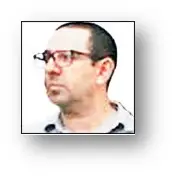
فرهاد آگاه:
صحبت ایشان را تایید میکنم. من هیچ سوادی درباره بحثی که شما مطرح میکنید ندارم؛ یعنی به صورت کلاسیک، نه در رشته اقتصاد تحصیل کردهام و نه درباره کسب و کارهای خانوادگی اطلاعاتی دارم. اما بر حسب تجربه و مشاهدات خودم نکاتی را میگویم.
همانطور که پدر گفتند، فارغ از خانوادگی بودن یا غیرخانوادگی بودن، در ایران کمتر کسب و کاری را میبینیم که پایدار باشد. مهمترین علت این مساله نامساعد بودن فضای کسب و کار است. از دهه 40 تا اوایل دهه 50 شرایط نسبتاً خوبی در فضای کسب و کار حاکم بود، ولی از اوایل دهه 50 به خاطر معتاد شدن اقتصاد کشور به درآمدهای هنگفت نفت و منابع زیرزمینی، فضای کسب و کار بر ضد تولید و تداوم کسب و کارها شد. مصداقهای مختلفی وجود دارد برای اینکه چرا این فضای کسب و کار، مناسب پایداری هیچ کسب و کاری نیست که شاید مهمترین آنها عدم احترام به مالکیت خصوصی باشد. شاید به نوعی همان ثروت نفتی بادآورده باعث شده است مملکت نیازی به احترام به مالکیت خصوصی احساس نکند. یکی از مصداقهای آن هم لغو قانون مرور زمان است که هیچ نوع اطمینانی از مالکیت برای افراد ایجاد نمیکند. این مسائل محدود به کسب و کارهای خانوادگی یا غیرخانوادگی نیست. هر کسب و کاری داشته باشید، حتی از مالکیت زمینی که کسب و کار شما روی آن بنا شده هیچ اطمینانی ندارید چون قانون مرور زمان لغو شده و هر کسی ممکن است بیاید بگوید هزار سال پیش این زمین مال من بوده و شما را به دادگاه بکشاند.
مهدی آگاه: چنین اتفاقی هم افتاده است. در یک مورد فردی برای تصرف یک زمین برای خودش شجرهنامه درست کرده، نسبش را به کوروش هخامنشی رسانده و به دادگاه رفته است.
فرهاد آگاه: مساله حاد دیگری که با این عدم احترام قوانین به مالکیت ترکیب شده، تشدید آن در سیستم قضایی کشور است. من همیشه فکر میکنم اگر روزی این مملکت بخواهد درست شود، شروع آن باید از قوه قضائیه باشد چون مثلاً همین ادعای واهی که هزار سال پیش من مالک این زمین بودهام میتواند در قوه قضائیه رای برنده را بگیرد. در چنین شرایطی شما هرقدر هم کار و تلاش کنید تا ریشه مساله حل نشود و عدالت و درستی و انصاف در دستگاه قضایی برقرار نشود، جوانان چه طور میتوانند به امید یک کسب و کار پایدار در این مملکت کار کنند؟
نکته دیگر این است که به قول آقای جلالپور ساختار را طوری طراحی کردهاند که حتی نفع آدم خوب در انجام کار بد است. یعنی ساختار دارد همه را خلافکار میکند. در کشور ما فرصتها در امور رانتی تعریف شده و اولویت در کسب رانت است، نه در کسب و کار سالم و رقابت سازنده و افزایش بهرهوری.
در این شرایط هر جوانی فکر میکند مگر دیوانهام که راه پدرم یا دیگر تولیدکنندگان را بروم؟
همه تلاش میکنند به تعبیری که در کتاب «نفحات نفت» رضا امیرخانی آمده، به شکلی خود را به «شیر نفت» متصل کنند. تازه کسی نمیتواند طولانیمدت خودش را به شیر نفت متصل نگه دارد، این اتصال موقتی است چون چشم حسود زیاد است و دیگران هم میخواهند بیایند خودشان را به شکلی به این شیر وصل کنند. به همین دلیل فضای اقتصاد هم رانتی و هم بهشدت ناپایدار است و نمیتوان در آن به اموری مثل پایداری کسب و کارهای خانوادگی اصلاً فکر کرد.
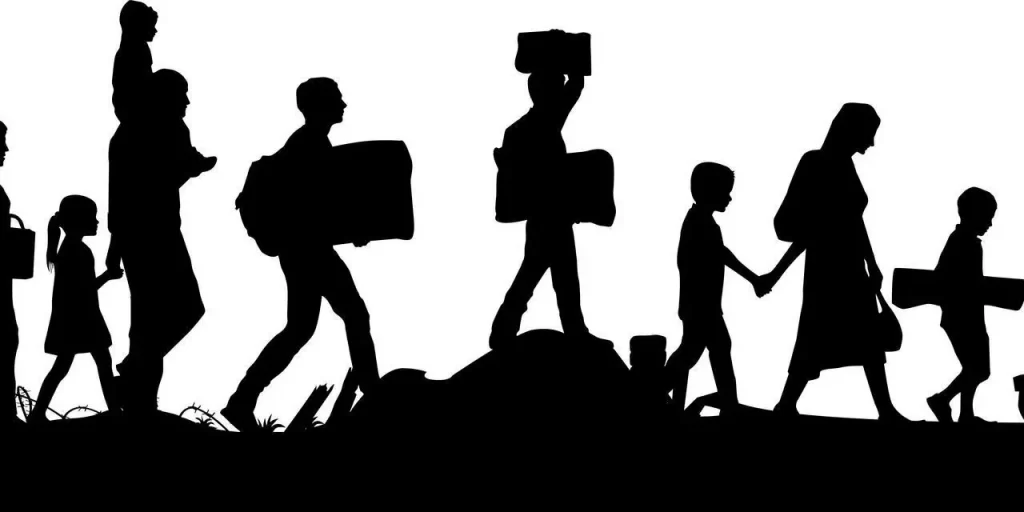
مساله دیگر این است که بسیاری از جوانان امروز اصلاً نمیخواهند در ایران بمانند چه برسد به اینکه بخواهند کسب و کاری را شروع کنند یا ادامه دهند. هر جوانی که دستش به دهانش میرسد به فکر رفتن است.
حالا اینکه بپرسید چرا جوانان کسب و کار پدر را ادامه نمیدهند، یک سوال دوقبضه است؛ اول باید بپرسند چرا این جوانان نمیخواهند در ایران بمانند. الان کسی که ثروت و سرمایه دارد، در ایران نمیماند. اگر میماندند و با ثروت و سرمایه پدر کار دیگری راه میانداختند هم خوب بود، ولی انگیزهای برای ماندن در کشور ندارند.
نکتهای هم که پدر درباره متفاوت بودن صنعت پسته گفتند، مهم است. اینکه در خانواده ما و بسیاری از خانوادههای فعال در صنعت پسته کرمان، نسلهای بعد هم در این صنعت ماندهاند، ناشی از این است که در بین کسب و کارهای مختلف کشور، صنعت پسته شکلی منحصربهفرد دارد. به دلایل اقتصادی که پدر اشاره کردند، فقط جنبه باغداری پسته است که باعث ماندگاری نسلهای بعد در پسته میشود. دلیل اینکه پسران آقای جلالپور تمایل چندانی به ماندن در این کار ندارند یا پسران آقای ارجمند که بهشدت به کمک فرزندانشان نیازمند هستند، علاقهای ندارند که وارد کسب و کار پدرشان شوند این است که عمده تمرکز کار این آقایان روی تجارت پسته است و در تجارت پسته نه ذوقی برای کار وجود دارد و نه نفعی برای ماندن. به نظر من نکته مهم این است که نمیتوان این مسائل را به راحتی عمومیت داد. نمیدانم این گزاره که پسران راه پدران را ادامه نمیدهند چه قدر عمومیت دارد.
سعیدی: به لحاظ آماری تقریباً بیش از 90 درصد از بنگاههای اقتصادی ما به نسل دوم نمیرسند و بنگاههای کوچکی هم هستند.
فرهاد آگاه: به نظرم باید این عدد را با ممالک دیگر هم مقایسه کرد؛ شاید در مملکتی دیگر 92 درصد از بنگاهها اینطور باشند.
سعیدی: در آلمان 60 تا 70 درصد از بنگاههای اقتصادی خانوادگی هستند. بنگاههای خانوادگی ماهیتاً در شرایط سخت اقتصادی انعطافپذیری بیشتری دارند. مساله این است که چرا در کشور ما در شرایط سخت اقتصادی، خانواده نمیتواند انعطافپذیری ایجاد کند. آقای جلالپور شما خیلی ساکت هستید، نظر شما چیست؟
جلالپور: زمانی در ایران هر فرد میتوانست همه نیازهای خود را از شرکتهای خانوادگی تامین کند. اتومبیلش را از ایران ناسیونال متعلق به خانواده خیامی میگرفت، مواد غذاییاش را از شرکتهای خانواده لاجوردی، دارو و مواد شویندهاش را از شرکتهای خانواده خسروشاهی، لوازم خانگیاش را از خانواده برخوردار و کفش مورد نیازش را از خانواده ایروانی تهیه میکرد. امروز اما کمتر نشانی از شرکتهای خانوادگی در ایران باقی مانده است. پس از پیروزی انقلاب و پس از تصویب حکم مصادره اموال صاحبان صنایع توسط شورای انقلاب، بخش قابل توجهی از کسب و کارهای بزرگ از مالکان آنها گرفته شد. بیشتر این افراد صاحبان کسب و کارهای خانوادگی بودهاند که برخی از معروفترین آنها خانوادههای لاجوردی، خسروشاهی، برخوردار، ایروانی و برادران خیامی هستند. قدیمیترین بنگاههای خانوادگی در ایران بیش از 70 سال قدمت دارند و از روزی که بنا گذاشته شدهاند تا امروز پستی و بلندیهای زیادی را پشت سر گذاشتهاند. اما به نظر میرسد هرچه زمان گذشته، وضعیت برای شرکتهای خانوادگی دشوارتر شده است. شرکتی نظیر بوتان را در نظر بگیرید که توسط خانواده خلیلیعراقی در سال 1328 راهاندازی شده و تا امروز دو رژیم سیاسی، چندین نخستوزیر و رئیسجمهور، یک کودتا، یک انقلاب، یک جنگ طولانی و تغییر مداوم قوانین، دشوار شدن رویههای کاری، سیاستهای نادرست اقتصادی، ناآرامیهای سیاسی، مصادرهها، جنگ و تحریم، نااطمینانی، دهها استیضاح و تغییر دولت و از همه اینها مهمتر صدها قانون و سیاست غلط اقتصادی را پشت سر گذاشته است. مگر شوخی است؟ یک شرکت چقدر توان تطبیقپذیری با شرایط سیاسی را دارد؟
آقای فرهاد آگاه به نکته خوبی اشاره کرد؛ اینکه باید از جوانان پرسید آیا تمایل دارید در کشور بمانید و بعد بپرسیم آیا دوست دارید راه پدر را ادامه بدهید؟
میدانید که پسر دومم، رامین چند سال پیش برای ادامه تحصیل به خارج از کشور رفت. یکبار که به دیدارش رفتم جمعی از دوستانش را دعوت کرد و خواست برایشان صحبت کنم. بیشترشان دانشجو بودند و سوال مهمی که در ذهنشان شکل گرفته بود این بود که پس از پایان تحصیل به ایران بازگردند یا نه؟ دلایل زیادی آوردم که بازگشتشان به کشور گزینه بهتری از عدم بازگشت است. خب از آن مهمانی چند سال میگذرد و من مطمئن نیستم اگر دوباره از من نظر بخواهند بتوانم همان پاسخ را بدهم. میدانید چرا؟ چون آن بخش تیولداری در ایران در سالهای گذشته به قدری قدرت گرفته که راه را بر همه گونه فعالیت و تولید خلاقانه بسته است و این جوانان عملاً راهی برای رشد و تعالی خود نمیبینند. به این ترتیب اگر در داخل کشور بمانند سرخورده میشوند بنابراین ترجیح میدهند از این چرخه خارج شوند.
مهدی آگاه: در فیلمی به اسم «How to be a German» (چگونه یک آلمانی باشیم) که بیبیسی ساخته، میتوان دید چرا مردم آلمان از نظر ساعت کاری کمتر از مردم انگلیس کار میکنند، ولی بهرهوری بهشدت بالاتری دارند. این موضوع عمدتاً ناشی از خانوادگی بودن بسیاری از کسب و کارهاست.
اما درباره شرایط سخت که به آن اشاره کردید، شما شرایط سخت ایران را با شرایط سخت آلمان یکی میدانید؟
ممکن است در آلمان در یک سال سخت، یک صنعت دو یا پنج درصد رکود داشته باشد. در ایران این اعداد نجومی است. الان من در یک منطقه کشاورزی گمنام نه در رفسنجان، یک چاه آب شیرین را با قیمت 10 میلیارد تومان هم نمیتوانم بخرم. یعنی یک پروانه بیش از 10 میلیارد تومان ارزش دارد و امضای یک آدم گمنام پای آن است که در دفتر یک اداره دولتی در کرمان نشسته است. وضعیت رانتی و ناپایدار و پرتنش صنعت در کشور ما در هیچ جای دنیا نیست.
سعیدی: آقای جلالپور، با ثابت در نظر گرفتن شرایط بیرونی، به نظر شما چه عناصری در درون خود خانوادهها هست که بر تداوم یافتن یا نیافتن کسب و کارهای خانوادگی اثر میگذارد. آیا رشد و دوام کسبوکارهای خانوادگی در ایران در معرض تهدید است؟
جلالپور: درباره تحکم خانوادهها به فرزندان برای ماندن در کسب و کار خانوادگی، من به یاد دارم مرحوم علیاحمدی که کار پشم و کرک میکرد چهار یا پنج پسر داشت که به آنها تحکم میکرد که در رشته نساجی تحصیل کنند تا به کسب و کار خانوادگی مربوط باشد. فرزندان ایشان همگی بسیار باهوش بودند و میتوانستند در بسیاری از رشتهها موفق شوند. پسر بزرگ ایشان که همکلاسی من بود، دو سال کنکور میداد، بهترین رتبه را میآورد و میگفت من نساجی دوست ندارم، پدر میگفت یا باید به رشته نساجی بروی یا اصلاً دانشگاه نروی.
این روش تحکمی برقرار بود، اما چه زمانی؟ آقای علیاحمدی این مطلب را اواخر دوره پهلوی و سالهای اول انقلاب میگفت، آن موقع ایشان از قوانین و شرایط کشور آنقدر اطمینان داشت که تصور میکرد بهترین کار برای فرزندش ادامه کسب و کار پدر است. امروز اگر به من بگویند به بچهات تحکم کن که کار تو را ادامه دهد، میگویم من از فردای کار خودم هم خبر ندارم و مطمئن نیستم میتوانم در این کار بمانم یا نه، چگونه به فرزندم تحکم کنم که کار مرا دنبال کند؟ سال گذشته صادرات من از 800 تن مغز سبز به هشت کانتینر20 تنی رسید. تازه خودم بالای سر کارم بودهام وگرنه به شش کانتینر هم میرسید. من که هر روز در این بازار پس رفتهام و اطمینانی به آینده ندارم، نمیتوانم به فرزندانم تحکم کنم که کار مرا دنبال کنند.
شاید در آلمان پدری بتواند به فرزندش تحکم کند، در ایران هم یک وقتی آقای خسروشاهی تحکم میکرده چون احتمالاً به آینده و شرایط مناسب سرمایهگذاری در کشور اطمینان داشته است. من این روزها وقتی وضع و حال نامشخص کسب و کار خودمان را میبینم، به بچهها میگویم هر کاری میخواهید بکنید، به شما کمک میکنم. این تحکم دیگر در وجود خود ما هم نیست.
سعیدی: آن فضای پدرسالارانه هم که یک پدر میتوانست با اقتدار فرزندانش را همراه کند دیگر نیست.
جلالپور: آن هم نیست. اگر هم باشد باوری نیست که من بتوانم بر اساس آن به فرزندانم حکم بدهم. میگویند بزرگترین ثروت و سرمایه انسانها در زندگی فرزندانشان است. چطور میتوان فرزند را با تحکم و با اجبار به مسیری فرستاد که اطمینانی به آن نیست؟ حتی برعکس، خیلیها به فرزندشان میگویند راه من را نرو تا مثل من دچار این همه نااطمینانی و بیاعتمادی نشوی.
فضای کسب و کار در ایران برای فعالیت واقعی و موثر مناسب نیست. یک روز به دکتر نهاوندیان گفتم خیلی متاسفم چون امروز به جایی رسیدهام که اگر کسی درباره شروع یک کسب و کار از من مشورت بخواهد میگویم شروع نکن. بهخصوص اگر راه کسب ثروت در این کسب و کار سالم و حلال و بدون رانت باشد، ناخواسته در ذهنم این تداعی میشود که باید بگویم شروع نکن چون در این فضای آلوده به رانت هرگز موفق نمیشوی. البته به هیچکس توصیه نمیکنم که سراغ کسب و کار رانتی برود، ولی میخواهم بگویم فضای کسب و کار کشور با انواع رانتها به صورتی درآمده که کسب و کار سالم دیگر پا نمیگیرد و اگر مقطعی پا بگیرد، در نهایت محکوم به شکست است. ساختار ما به گونهای است که آدم سالم باید کار خلاف انجام دهد تا بتواند دوام بیاورد.
سعیدی: میتوانیم برخی تجربیات استثنایی را در نظر بگیریم. مثلاً آقای آگاه آیا تجربه شما در ادامه دادن کسب و کار پدر تجربهای نیست که بتوان نکاتی از آن استخراج کرد و به دیگران تجویز کرد؟
فرهاد آگاه: اتفاقاً من فکر میکنم به جای قضاوتها و سوالات کلی، بهتر است مثالهای جالب را بررسی کرد از دو طرف ماجرا؛ هم کسانی که اصلاً نایستادند، هم کسانی که در کمال تعجب و برخلاف همه صحبتهای ما ایستادهاند و کار کردهاند. از مرور این مثالها میتوان نکاتی برای پیشرفت اقتصاد کشور و ساختن یک آینده بهتر استخراج کرد. از این نظر میتوانم حداقل قصه خودم را بگویم که چرا امروز اینجا نشستهام و مشغول کسب و کار خانوادگیام هستم. شاید تنبلی، محافظهکاری، حرص سود و درآمد بیشتر عواملی باشند که باعث شدهاند من اینجا باشم. من برای ادامه تحصیل بعد از کارشناسی، به کانادا رفتم و فوقلیسانس خواندم، اقامت کانادا هم گرفتم.
مهدی آگاه: با بورس دانشگاه تورنتو هم رفتند نه با هزینه من.
فرهاد آگاه: من در مقطعی تصمیم گرفتم برگردم. از روزی که اقامت کانادا را گرفتم دیگر به آن نگاه نکردم و تصمیم گرفتم برگردم و در ایران زندگی کنم. من نه آدم ناسیونالیستی هستم نه عرق میهن یا چیز دیگری را دارم. برگشتم چون فکر میکردم اینجا میتوانم زندگی بهتری برای خودم و خانوادهام ایجاد کنم. همینطور فارغ از رضایت مادی، اینکه آدم احساس میکند توانسته بر محیط اطرافش اثر بهتری بگذارد و موجب پیشرفت شود، باعث رضایت فکری میشود. من همیشه به هر کسی که درباره رفتن یا ماندن در ایران و کرمان سوال میکند جملهای را به کار میبرم که پسرعمویم میگوید و آن این است که کرمان سرزمین فرصتها و موقعیتهاست.
واقعیتی که از نظر مملکتی یک فاجعه ولی از نظر شخصی یک فرصت خوب است، این است که در ایران بیشتر افراد به اندازهای کارها را بد و با انگیزههای ناسالم انجام میدهند که اگر چند خصیصه مثبت داشته باشید، یعنی بخواهید با پشتکار، صداقت، دقت و درستی کار کنید، به حدی متمایز میشوید که همه افراد ثروتمند طالب به کار گرفتن شما میشوند. در شرایطی که اکثریت، کار را به بدترین نحو ممکن انجام میدهند، همه به فکر رفتن هستند، دل به کار نمیدهند، حتی هرجا بتوانند شاید از کار بکنند و ببرند، وقتی یک کارفرمای ثروتمند آدمی را پیدا کند که با پشتکار، تلاش، صداقت و درستی کار میکند حاضر است به پای این فرد پول بریزد.
این وضعیت از نظر شخصی برای من موقعیت ممتازی بود. البته پشتوانه تمکن مالی و اعتبار خانوادگی هم نقطه شروع خوبی برای من ایجاد کرده بود و من میدیدم که هر جای دیگر دنیا که بروم و هر کار دیگری بکنم، باید 20 یا 30 سال زحمت بکشم تا به نقطه شروعم در کرمان برسم. من وقتی کانادا بودم میتوانستم با فوقلیسانس مهندسی مکانیک به شرکت GM بروم و استخدام شوم، پنج سال به عنوان مهندس و بعد مهندس ارشد کار کنم و بعد از 10 یا 15 سال شاید تازه به یک مقام مدیریتی متوسط برسم.
ولی روزی که به ایران آمدم، یک قرارداد 30 میلیون یورویی تامین تجهیزات کارخانه سیمان با شرکت آلمانی را جلویم گذاشتند تا پیگیری کنم. ایران واقعاً سرزمین موقعیتهاست. گفتند ما در میان پرسنل شرکت کسی را نداریم که متن این قرارداد را درست بفهمد، تو تجربه نداری، ولی حداقل میفهمی این قرارداد چیست، مورد اعتماد ما هم هستی.
مهدی آگاه: در قراردادی که اشاره میکنند در نهایت حدود 5 /1 میلیون یورو غرامت از شرکت آلمانی پس گرفتند به خاطر نکاتی که در قرارداد بود و توانستند ایرادهای قانونی آن را که حدود سه میلیون یورو بود استخراج کنند.
فرهاد آگاه: عضو هیات علمی همان شرکت آلمانی در جلسه مذاکرهای که داشتیم به من پیشنهاد کاری در آلمان دادند.
مهدی آگاه: من آن موقع به ایشان برای رد این پیشنهاد ایراد گرفتم و گفتم گذشته از حقوق بالا، تجربه کاری در این شرکت ارزش بالایی داشت، ولی ایشان به هیچ وجه نمیخواست خارج از ایران کار کند. یکجور عشق پنهان به فرهنگ ایران در ایشان وجود دارد.
فرهاد آگاه: اینها تصورات پدر است. واقعیت این است که من با حساب و کتاب تصمیم گرفتم.
جلالپور: خود من حداقل در چهار سال اخیر که آقای فرهاد آگاه عضو هیاتمدیره انجمن پسته بوده است، از بیرون این عشق و علاقه و پیگیری و جدیت و وقت گذاشتن برای یک کار ملی را که جز دردسر و حرف و حدیث چیزی برایشان نداشته دیدهام. ایشان میگوید به خاطر راحتطلبی اینجا ماندهام، اما من فکر میکنم همینجا راحتطلبی نقض میشود که ایشان پیشنهاد شرکت آلمانی را رد کرده تا در همین مملکت و در همین استان کار کند.
مهدی آگاه: ایشان بیشتر میتواند در کرمان کار کند تا جایی مثل آلمان. نمیدانم در شهرهای دیگر اوضاع چه طور است، اما فکر میکنم این شرایط به نوعی مختص کرمان است که بنای کار همیشه بر اساس تولید و تا اندازه زیادی صادرات بوده است؛ چه خرما، چه گردو، چه پسته و چه فرش.
فرهاد آگاه: فکر نمیکنم این موضوع موقعیت کاری مختص کرمان باشد. مثالهای متعددی سراغ دارم از کارمندان خیلی موفق و با درآمدهای بالا که در تهران و شهرهای مختلف کار میکنند. همین آقای جلالپور چند نفر از چنین افرادی را در شهرهای دیگر در استخدام دارد. میخواهم بگویم برای کسی که با صداقت و پشتکار در ایران کار کند، موقعیتهای کاری فراهم است که در هیچ جای دیگر دنیا نیست. رقابت کاری در غرب بسیار شدید است.
من وقتی درباره خودم صفت «تنبلی» را به کار بردم، منظورم تنبلی با مقیاس آمریکا بود نه ایران. اگر آمریکا، آمریکا شده به این علت است که یک آمریکایی ساعتهای طولانی با بهرهوری بالا کار میکند. دوستان من که در کانادا کار میکردند، از ترس اخراج نشدن در رقابت با کارمند کنار دستشان مجبور بودند روزهای تعطیل آخر هفته را هم کار کنند، وگرنه ممکن بود صبح دوشنبه حراست شرکت بالای سرشان بیاید و بگوید اخراجی.
امروز هم زندگی آنها همینطور است و در این 16 سالی که من برگشتهام هیچ تفاوتی ایجاد نشده است. ایران هم هنوز مثل زمانی که من برگشتم پر از موقعیتهای خوب کاری است و این مختص کرمان و پسته هم نیست.
مهدی آگاه: خانواده امین که دیگر در کار پسته نیستند، وقتی رفتهاند آمریکا تقریباً همهشان در رشته خانوادگی کار میکنند. امروز هم بعد از «رزنیک» دومین مجموعهای هستند که بالاترین سهم را در باغات پسته کالیفرنیا دارند. 10 درصد از پسته آمریکا را امسال این خانواده تولید کردهاند.
جلالپور: زمانی که اکبر امین فعالیت میکرد، این سهم 30 درصد بود. بعد فروخت و الان علی آقا آمده است.
سعیدی: خانواده مرشد هم در زمینه پسته فعالیت میکنند.
مهدی آگاه: بله، اما به اندازه خانواده امین موفق نیستند.
فرهاد آگاه: یعنی مشکل از خانواده و صنعت پسته نبوده، مشکل از محیط کسب و کار بوده است. همین کسب و کاری را که در ایران داشتند، در آمریکا هم دارند.
مهدی آگاه: بسیار هم موفق هستند. حتی یکی از آنها که مدتها تهیهکننده سینمای هالیوود بود، وارد کار باغداری و صنعت پسته شده است. خانواده برخوردار هم کم و بیش، یکی دو نفرشان هنوز در کار پسته باقی ماندهاند. امین و برخوردار برادر ناتنی بودند. برخوردار که ابتدا در یزد بود تجارت میکرد و امین که در رفسنجان بود باغداری میکرد و بزرگترین باغدار رفسنجان بود.
فرهاد آگاه: من مثالهای متعددی سراغ دارم از افرادی که زمینه خانوادگی مشابه من را نداشتند، ولی الان در شرکتهای خانوادگی با موفقیت خیلی بالا مشغول کار هستند و با پشتکار، صداقت، درستی و دقت در کارشان موقعیتی مشابه موقعیت من برای خودشان ایجاد کردهاند.
سعیدی: پس میتوان گفت تجربههای افراد و خانوادههای مختلف ممکن است دلایل متفاوتی داشته باشد.
فرهاد آگاه: بله. به همین دلیل فکر میکنم با بررسی مثالها میتوان درسهای بهتری گرفت. خانوادهها شیوههای مختلفی دارند؛ پدر در بزرگ کردن و آموزش ما بینهایت لیبرال بود. هیچوقت بعد از 18سالگی هیچ تحکمی به ما نکرد ولی رابطهاش را با ما طوری ساخته که در همه تصمیمات مهم زندگی ایشان را به عنوان مشاور خودمان انتخاب میکنیم و از مشورت ایشان استفاده میکنیم، اما هر کدام از ما بچهها به هر مسیری رفتهایم با آزادی کامل و با انتخاب خودمان بوده است و فقط با ایشان مشورت کردهایم. همه خانوادهها مثل هم نیستند و هر خانواده ممکن است محیط و فرهنگ و تربیتی متفاوت داشته باشد.
جلالپور: اجازه بدهید به عنوان جمعبندی چند نکته را مطرح کنم:
همانطور که آقای آگاه اشاره کردند، درآمد کسب و کارها در ایران به دلیل قوانین خاصی که داریم به خود کسب و کارها برنمیگردد و به صورت سود میان سهامداران تقسیم میشود. مساله دیگر، نامساعد بودن فضای کسب و کار است. به نظر میرسد مهمترین دلیلی که باعث شده فرزندان کارآفرینان ایرانی به تداوم فعالیت بنگاه خانواده علاقه نداشته باشند، دشوار شدن مداوم فضای کسب و کارهای سنتی در 50 سال گذشته است. حجم محدودیتها و موانعی که در کسب و کارهای سنتی وجود دارد هنوز در کسب و کارهای مدرن به وجود نیامده است.
بنابراین پسری که به اندازه پدرش صبر و حوصله ندارد و تعامل با نظام اداری را بلد نیست از این فضا میگریزد.
مساله مهم دیگر، غیررقابتی بودن اقتصاد ایران است که مناسبات تیولدارانه و باورهای سوسیالیستی هم بر گرفتاریهای آن افزوده و کار را برای کارآفرینان بخش خصوصی بسیار سخت کرده است. در نهایت اینکه مداخلات گسترده ساختار سیاسی در زندگی و کسب و کار مردم، در همه اشکال، بیانگیزگی ایجاد کرده است.
چه طور ممکن است جوانان خلاق تمایل به ماندن در کشوری را داشته باشند که سیاستمدارانش در همه امورشان دخالت میکنند؟
1398/05/26
تدوین مجدد و ویراستاری: داوود امیراحمدی
burnt generation
Why are family businesses in Iran under threat?
This round table was supposed to answer the important question raised in the documentary about the life of Mohsen Jalalpour, but we preferred to publish its text separately due to its importance. “Economy of Iran” internet network aired a documentary about the life of Mohsen Jalalpour, in which Ali Asghar Saeedi, a sociologist and entrepreneurship researcher, went to him and asked why his sons did not follow his path in the pistachio industry.
Ali Asghar Saeedi was looking for an answer to the question why many children in Iran’s economy do not want to follow their father’s path in business.
Specifically, Mohsen Jalalpour, who is the heir of a family business that is more than 150 years old, is facing such a problem. His sons (Amin and Ramin) have not chosen his path. Amin (his eldest son) is one of the two founders of a start-up called “Adres“, which operates in the field of real estate, and Ramin went abroad to continue his education and has no plans to return for now.
Mohsen Jalalpour is not the only Iranian entrepreneur who has faced this problem; Many founders of Iranian businesses struggle with this problem. In this roundtable discussion, Mohsen Jalalpour, Mehdi Aghaz-son of Gholamreza Aghaz, and Manouchehr Aghaz’s brother and his son Farhad Aghaz answered the questions of sociologist and entrepreneurship researcher Ali Asghar Saeedi..
Ali Asghar Saidi
The main founders of businesses usually have a long-term dilemma; thisWho is qualified to run their business? Finding a suitable successor for the founders of large companies has always been a long-term problem. The easiest way is for the eldest son to take on this role.
What if the owner of the company did not have an older son or the older son of the family did not accept this role?
This is our general question, but if we want to tilt the question a little towards the Iranian society, then we have to raise this question:
Why are the new generation of Iranian entrepreneurs not interested in continuing family businesses?
Of course, we have two examples to confirm and reject this hypothesis. Mr. Farhad Aghaz, who followed his father’s path, rejected this hypothesis, but Mr. Jalalpour’s sons, who did not follow his father’s path, confirm it. The category of family companies is important in all economies. More than 90% of the world’s businesses are family owned and controlled. I think I read somewhere that families own 33% of American companies and 40% of German and French companies with revenues of over a billion dollars a year. The dominance of family control in emerging countries is still higher than others.
It is known that in family companies, three months, one year and two years do not mean anything, and the horizon of these companies is the next generations. It is impossible for the founder of a business to leave his business to an inexperienced and uninformed person. Most of the founders of family companies send the future managers of their company to good universities and try to make their successors go up the ladder from the lower positions. Finally thisthat family companies are more useful for the economy because they are better managed than other companies. These companies are better than other companies in productivity and innovation, and this is an important event for an economy..
The secret of a successful family business is in the existence of an economy based on competition and political stability and the rule of law. For this reason, the owners of family businesses have a long-term perspective. People are also interested in such companies because they think that they are truly the result of a family’s determination and strength. Finally, families can be much better equipped to achieve long-term success in business..
But these companies also have problems. including thisIt is usually very difficult for children to model their elders or family elders. Another big problem with family companies is that the weak members do not learn from the strong members. A common feature of many failed heirs is that the family chooses the eldest son for the job from an early age and leaves the company in his hands regardless of his ability..
I would very much like to hear this from Mr. Aghaz and also from Mr. Jalalpour, what are the problems of family companies in our country that usually the children of entrepreneurs do not continue their fathers’ business?
Mehdi Agah
There are definitely many factors involved, but I want to explain one reason that you don’t cover in newspapers and magazines. One of the big problems of all economic enterprises in our country is that the business income does not return to the business itself.. The main cause of this problem is due to the tax laws and accounting principles that are imposed in the work according to the tax laws.
Suppose an airline company wants to buy an airplane for 120 million dollars, according to Iranian laws, it must take a depreciation reserve based on the book value of the goods at the time of purchase. That means, for example, in 2017, it cannot calculate more than a quarter of its real depreciation based on the value of 2016, and the rest of it will be converted into imaginary profit. According to the law, the company is forced to distribute this fake profit. As a result, all companies in Iran are bankrupt over time.
None of the companies have depreciation reserves so that they can renew their strength for the next time. A 120 million dollar plane, which was purchased during the time of Mr. Hashemi Rafsanjani and is still flying, has been depreciated to the amount of 800 million tomans, while today, with its depreciation reserve, they won’t even sell you the wheels of this plane.
In Iran’s inflationary economy, which has seen a 300% currency jump in the last year and a half, depreciation reserves should not be calculated like this, but they do. No industry can divide its wealth among its shareholders and survive; What is done in Iranian companies is the distribution of wealth, the distribution of illusory profits is caused by the wrong evaluation of depreciation. Our tax laws have been anti-accumulation of capital, capital is not deposited in companiesIt is distributed among the shareholders.
You have to divide your profit among the shareholders, the shareholder also goes and buys a luxury car for his wife and child, and this profit does not turn into savings for the company. But in American companies, dividends (dividend) has nothing to do with the benefit of companies.
A small percentage of the company’s profits are considered as dividends. In Iran, according to the destructive law, in companies, the profit is divided from the capital multiple times the real income. Companies have to show fake profits and distribute fake profits, which means that capital is actually distributed. They compensate an important part of the costs by using subsidized energy.
Another characteristic that has made these thin companies in Iran apparently durable is the land value of these companies, otherwise we would not have a successful company in Iran at all. You find a company that is at the peak of success and will still be around 10 years later and its name is prominent.
We have Araj company, which was never mentioned after the revolution. In 1353 or 1354, when I was hired to establish and set up the export unit at Araj Company, Araj’s product was selling much better than the Italian brands in the sheikhneshes, after the American brands, and it was much more famous, but 10 years later, there was no trace of it.
Destructive laws caused capital to leave the company and run away, but the large land that was valued in Tehran has gained a very high value today. Most of our companies are bankrupt, only the land they are located on has risen in price. Rockefeller came to Kerman in 1353, if he had bought a house in Kerman at that time, the price of this house in dollars would have increased more than a thousand times.
The large Pars Electric company, which was a manufacturer of household appliances, went bankrupt, but the price of its factory land in Tehran compensated all its debts. If you own land in England, you have nothing in the 100th year of the company because the land is owned by the aristocracy and people rent it. If such a system existed in Iran, I would tell you that all Iranian companies are bankrupt.
What saved these bankrupt companies from financial bankruptcy is the increase in the price of their land. The value of land and real estate prevents the situation from becoming acute, but it is not at all cost effective to build a factory on land you already own. You have to sell the land and go buy land in a cheaper place and build a factory.
What else can be done in today’s conditions?
Today, exports are practically prohibited in Iran. We have had a severe export recession this year. Why?
Because we have to smuggle tomatoes to Iraq under lettuce. Do you find any products that we have been able to export legally and without errors in the last few months?
The Ministry of Energy has cut off electricity in some places so that water cannot be used for watermelon cultivation because it thought that the production and export of watermelon is not economical in terms of water consumption. The Ministry of Energy and the Ministry of Agriculture go to Varamin and tell the farmers not to plant watermelons, but to plant wheat to save water. While every 250 liters of water produces one kilo of watermelon, but for wheat, every 1600 liters of water produces one kilo of wheat. Wheat is extremely water-intensive, and if we produce and export watermelons at international prices and instead import wheat, 17 billion cubic meters of water will be saved per year.
The authorities’ understanding of agricultural economy and water economy is so incomplete and unscientific. Calculating these numbers does not require any literacy other than the four basic operations. When two ministries cannot understand these simple calculations, which are the result of four main actions, how can we expect government men to take measures to preserve family businesses?
Our economic conditions are often critical. They keep the exchange rate stable for years until it finally explodes like a pressure cooker whose valve is blocked by the government. In this situation, many businesses suffer, but some of them, such as pistachios, suffer less damage, and for this reason, people who work in the pistachio industry survive longer than others. The currency jump last year was extremely profitable for pistachio farmers, but normally it takes 10 years for a pistachio farm to produce, and if a family wants to start working this year, they have no hope of making a profit because it is not even clear what the foreign exchange policies will be until a year from now. make a change
Mr. Rouhani and all officials look at the currency jump as a social injustice and do not want to accept that this currency jump is the result of accumulated inflation, not the cause of inflation. The government’s interest in keeping the price of the dollar artificially stable existed before the revolution, and there was a discussion about this issue between Mr. Mohammad Yeganeh and the Shah.
The Shah had agreed to Hoshang Ansari’s request to reduce the price of the dollar, and Yeganeh went to meet the Shah and said that His Majesty should order my hands to be cut off so that I cannot betray this country. He said to the Shah that we need these non-oil products and this decision of yours will destroy all non-oil products. From 1349 to today, we have always been in crisis.
In this situation, how do you expect a family business to last over time? It would be surprising if it lasted at all.
Saidi: Thank you for your very good explanation. Of course, you answered the question that why businesses do not survive in Iran? This problem that prevents the accumulation of capital is caused by external factors. I suggest that by taking into consideration the external situation and the conditions governing the business environment, we should also deal with the relationships within the family, which have a negative impact on the continuation of family companies. Issues that can be effective in the relationship between father and children in family businesses.
Mehdi Agah: Other factors may be effective in this field, but this is the reasonThe fact that family companies did not last in our period was that due to the impossibility of calculating depreciation correctly, money had to be regularly injected into the company from another place.
Saidi: In your family, your children follow and carry on your work, but in many families, this is not the case. What is the cause of this difference?
Mehdi Agah: The continuity of our family business is due to the characteristics of the pistachio industry, pistachio has always been an export product and its depreciation period is the longest for a job. The construction of a power plant takes a maximum of six years, but the profitability of pistachios cannot be counted on for at least 10 years. From the 10th year onwards, the work may become profitable. For a mature and productive pistachio orchard, the ratio of running costs to income is very low compared to other industries and productions. For this reason, the pistachio gardener has the strength to endure several years of suppressing the exchange rate and then compensate for the losses after the exchange rate spring is released..
Saidi: Why are the new generations not interested in continuing the family business in many families?
Doing business in Iran is getting harder every day.
Mehdi Agah: The situation of family relationships is different. Today, from the Khosrowshahi family, Dara Khosrowshahi is the CEO of Uber. Business is the main specialty of this family and still an aspect of business continues in this family. But I don’t see the emergence of new businesses as an obstacle. I understand that many young people are no longer interested in traditional businesses, but the main problem in our country is that traditional business methods are very weak and powerless against the onslaught of the government..
Saidi: Apart from agriculture, what is the situation in other sectors?
In some cases, we see that an industrial factory is active, but the children are not willing to follow their father to manage that factory. what is the reason?
Mohsen Jalalpour:
It is a fact that family business owners generally want their companies to survive for generations and therefore prefer to make long-term investments without worrying about shareholders capturing the company’s profits.
But in Iran, many companies have been caught in such traps. There is another reality; thisThe foundation of a family company must be very strong and stable to pass through all these political storms and floods.
Doing business in Iran is getting harder every day. Iranian companies, both family and non-family, have many common pains. They have been exposed to all kinds of systematic and unsystematic risks, instability in the economy and politics bothers them, the uncertainty and uncertainty of the outlook has darkened their activities, the non-competitive environment and monopoly has closed their breathing, and the unfavorable business environment has hindered their survival. risked.
Policy makers’ mistakes in the past few months have had many negative effects on the activities of our companies. For example, the wrong exchange rate policy was the most egregious mistake made by the policy maker during this period and caused irreparable costs to the companies. We once thought that the most important achievement of Mr. Rouhani’s government was stabilizing the macroeconomic environment. This achievement has been lost in the twelfth government for various reasons. Only the return of double-digit inflation was enough to destabilize Iran’s economy, which also returned thanks to wrong policies. As a result of the insecurity of the macroeconomic environment, the incentive to speculate in the markets has intensified, which results in a decrease in the incentive for long-term investment.
At present, the profit margin of production has decreased drastically, and on the other hand, the attractiveness of speculation and mediation has been increased, as a result, the incentive to invest in production has been lost. Budget deficit and high liquidity pressure have increased inflation. Government instead of thisTo think about the budget deficit and find a mechanism to solve the liquidity problem, he has put the suppression of the market on the agenda and has keyed the price control policy. While inflation has caused an all-round increase in the costs of companies, the government does not allow the company to increase the price of goods. As a result, the activities of our companies have become uneconomical and irrational.
This volume of intervention in the economy has led to the aggravation of bureaucracy and increase in administrative procedures. Bureaucracy has caused the import of machinery and raw materials needed by companies to get stuck in administrative twists and turns. In this situation, companies for thisTo be able to go through the trap of time-consuming administrative complications, they need to establish informal, non-official relationships.
In this way, on the one hand, administrative complexity imposes costs on the company, and on the other hand, it exacerbates corruption in administrative institutions. Corruption, strife and bribery are eating the foundations of the country’s administrative system like a termite.
In addition to all these problems, the embargo has created difficult conditions for the country and has negatively affected economic growth. Past experience tells us that in the conditions of sanctions, the informal economy becomes bigger and pressure is put on official businesses from this area. International restrictions also impose high costs on money transfers and import and export of goods to our companies.
Sanctions and international restrictions also make the international units in many of our companies to be limited and the managers bring in smugglers to bypass the restrictions.
In the past few months, policy-making has been accompanied by an unprecedented distribution of rents and aggravation of bureaucracy and administrative procedures. This policy has ended to the detriment of private sector companies and to the benefit of government and semi-government companies, and as a result, a non-competitive and unfair environment currently dominates the country’s economy.
Because government and semi-government enterprises have their hands in the pockets of the government and governing institutions, but private enterprises have to pay from their own pockets; Therefore, they are unable to compete. In this situation, all businesses, both family and non-family, are exposed to crisis.
Mehdi Agah: You show me a factory that has more than 10 years of life and is not bankrupt today. Most of the factories are bankrupt. When they sold oil to a factory for one cent per liter; Oil that is 80 cents in Turkey and one euro in Germany and 30 euro cents, it will last, but it is bankrupt. Mr. Larijani estimated the amount of hidden subsidy at 900 thousand billion tomans, which is three times the annual budget of the country.
These subsidies are not injected to the poor classes, almost 90% of them go to the pockets of money dealers and thieves. The energy subsidy of a steel company, excluding water, was one billion and 352 million dollars in 2012. They have also received water subsidies because they had 50 deep wells, which were also with huge subsidies. This company is apparently industrial and successful and has exports, but it does its production and exports at a loss.
Steel production by direct recovery method is not economical in any way and no developed or developing country in the world is willing to do it. Even in America, which has plenty of free gas, steel production is done only by the blast furnace method. The production of steel by direct recovery method does not cover its costs, but in Iran we are supposed to produce 55 million tons of steel and export 20 million tons of it, while the production of even one ton is not economically profitable..
Saidi: Mr. Agah:Thank you I have paid less attention to these issues in my analysis and thank you for explaining this opinion in detail. But if I want to draw your opinion to other issues than what you have raised, I will ask this question, what do you think has changed in the relationship between fathers and children?
In the past, in a case like the Lajordi family, Haj Seyed Mahmoud emphasized and supervised that his children study in a field that they could use in the family business, even if they were interested in other fields. In the Khosrowshahi family, Mr. Ali Khosrowshahi himself did not allow Hasan Agha to study.
In your opinion, such measures that were in families would have helped to continue the presence of generations in the family business or were they not useful?
Mehdi Agah: It was not like that in our family. I am independent of thisSince I had a wealthy and famous family, I personally went to work in Araj, which had nothing to do with pistachios. My return to pistachios was due to a kind of compulsion. When I saw that other jobs are not cost-effective, but it is still possible to work in the field of pistachios, I returned to this job.
My son also studied mechanical engineering in Canada, and then when he came to Iran, he worked in a cement factory for four years, but he came back to pistachio work because it had better income. He had no interest in pistachios. Even now, I don’t think that pistachio is the priority of his interests, but he came to this task.
Saidi: Farhad Khan, what is your opinion about father’s order?
Farhad Agah:
I confirm what he said. I have no knowledge about the discussion you are raising; That is, classically, I have neither studied in the field of economics, nor do I have any information about family businesses. But I will say some points based on my own experience and observations.
As the father said, regardless of whether it is family or non-family, in Iran we rarely see businesses that are stable. The most important reason for this problem is the unfavorable business environment. From the 1940s to the early 1950s, relatively good conditions prevailed in the business environment, but from the early 1950s, due to the country’s economy becoming addicted to huge oil revenues and underground resources, the business environment became against the production and continuity of businesses. . There are several examples of thisWhy this business environment is not suitable for the sustainability of any business, perhaps the most important of which is the lack of respect for private property. Perhaps, somehow, the windfall oil wealth has made the country not feel the need to respect private property. I have no knowledge about the discussion you are raising; That is, classically, I have neither studied in the field of economics, nor do I have any information about family businesses. These issues are not limited to family or non-family businesses. Whatever business you have, you are not even sure of the ownership of the land on which your business is built because the statute of limitations has been canceled and anyone may come and say that this land belonged to me a thousand years ago and take you to court..
Mehdi Agah: This has also happened. In one case, a person made a genealogy for himself in order to occupy a piece of land, traced his lineage back to Achaemenid Cyrus, and went to court..
Farhad Agah: Another acute problem combined with this lack of respect for property laws is its intensification in the country’s judicial system. I always think that if one day this country wants to be fixed, it should start with the judiciary because, for example, the false claim that I was the owner of this land a thousand years ago can get the winning vote in the judiciary. In such a situation, no matter how much you work and try so that the root of the problem is not solved and justice is not established in the judicial system, how can young people work in the hope of a stable business in this country?
Another point is that, according to Mr. Jalalpour, the structure has been designed in such a way that it is even beneficial for a good person to do a bad job. It means that the structure is making everyone illegal. In our country, opportunities are defined in rent matters and the priority is in earning rent, not in healthy business and constructive competition and increasing productivity.
In this situation, every young person thinks, am I crazy to follow the path of my father or other producers?
Everyone tries to connect themselves to the “Oil Milk” in some way, according to the interpretation given in Reza Amirkhani’s book “Nafhat Naft”. No one can keep himself connected to the oil tap for a long time, this connection is temporary because there are many jealous eyes and others want to come and connect themselves to this tap in some way. For this reason, the economic environment is both rentier and extremely unstable, and it is impossible to think about things like the stability of family businesses..
Another problem is that many young people today do not want to stay in Iran at all, let alone thiswho want to start or continue a business. Every young man who touches his mouth is thinking of leaving.
now thisAsking why young people don’t continue their father’s business is a double-edged question; First, they should ask why these young people don’t want to stay in Iran. Now a person who has wealth and capital does not stay in Iran. It would be good if they stayed and started another business with their father’s wealth and capital, but they have no motivation to stay in the country..
What the father said about the different nature of the pistachio industry is also important. thisThe fact that our family and many families active in Kerman’s pistachio industry have remained in this industry for generations is due to the fact that the pistachio industry has a unique shape among the various businesses in the country. For the economic reasons mentioned by the father, it is only the pistachio horticulture aspect that makes pistachios last for generations to come. the reason for thisthat the sons of Mr. Jalalpour do not have much desire to stay in this work or that the sons of Mr. Arjamand, who are in dire need of their children’s help, are not interested in entering their father’s business is that the main focus of these men’s work is on the pistachio business and not on the pistachio business. There is a taste for work and not a benefit for staying. In my opinion, the important thing is that these issues cannot be generalized easily. I don’t know how common is the statement that sons do not follow their fathers.
Saidi: Statistically, more than 90% of our economic enterprises do not reach the second generation, and they are also small enterprises..
Farhad Agah: I think this number should be compared with other countries. Maybe in another country, 92% of companies are like this.
Saidi: In Germany, 60 to 70 percent of economic enterprises are family. Family businesses are inherently more resilient in tough economic times. The problem is why in our country, in difficult economic conditions, the family cannot create flexibility. Mr. Jalalpour, you are very quiet, what do you think?
Jalalpur: Once upon a time in Iran, every person could meet all his needs from family companies. He bought his car from Iran National owned by the Khayami family, bought his food from the companies of the Lajordi family, his medicine and detergents from the companies of the Khosrowshahi family, his household appliances from the family, and the shoes he needed from the Irvani family. Today, there are few traces of family companies left in Iran. After the victory of the revolution and after the approval of confiscation of the property of the industrial owners by the Revolutionary Council, a significant part of the big businesses were taken from their owners. Most of these people have been the owners of family businesses, some of the most famous of which are the Lajordi, Khosrowshahi, Bashart, Irvani and Khayami brothers. The oldest family businesses in Iran are more than 70 years old and have gone through many ups and downs since the day they were founded. But it seems that as time passes, the situation has become more difficult for family companies. Consider a company like Bhutan, which was founded by the Iraqi Khalili family in It was launched in 1328 and until today there have been two political regimes, several prime ministers and presidents, a coup, a revolution, a long war and continuous changes in laws, the difficulty of working procedures, incorrect economic policies, political unrest, confiscations, war and embargo, insecurity, dozens impeachment and change of government and all thisMore importantly, it has passed hundreds of laws and wrong economic policies. is it a joke? How adaptable is a company to political conditions?
Mr. Farhad Aghaz pointed out a good point; that we should ask young people if they want to stay in the country and then ask if they want to follow their father’s path.
You know that my second son, Ramin, went abroad to continue his education a few years ago. Once when I visited him, he invited a group of his friends and asked me to talk to them. Most of them were students and the important question that was formed in their minds was whether or not they would return to Iran after finishing their education. I gave many reasons that their return to the country is a better option than not returning. Well, it’s been a few years since that party and I’m not sure if I’d be asked for my opinion again, I’d be able to give the same answer. Do you know why? Once when I visited him, he invited a group of his friends and asked me to talk to them. In this way, if they stay inside the country, they get frustrated, so they prefer to get out of this cycle.
Mehdi Agah: In a movie called «How to be a German» (How to be a German) produced by the BBC, you can see why Germans work fewer hours than the British, but are much more productive. This is mainly due to the family nature of many businesses.
But about the difficult conditions you mentioned, do you consider the difficult conditions of Iran to be the same as the difficult conditions of Germany?
In Germany, in a difficult year, an industry may have a two or five percent recession. In Iran, these numbers are astronomical. Now I cannot buy a fresh water well for 10 billion tomans in an unknown agricultural area, not in Rafsanjan. It means that a license is worth more than 10 billion tomans and it is signed by an unknown person who is sitting in the office of a government office in Kerman. The rentier, unstable and tense situation of the industry in our country is not found anywhere in the world.
Saidi: Mr. Jalalpour, taking the external conditions into consideration, what do you think are the elements inside the families themselves that affect the continuation or not of family businesses? Is the growth and sustainability of family businesses in Iran under threat?
Jalalpur: Regarding families commanding their children to stay in the family business, I remember the late Ali Ahmadi, who worked in wool and fluff, had four or five sons, who ordered them to study in the field of textiles to be related to the family business. His children were all very intelligent and could succeed in many fields. His eldest son, who was my classmate, took the entrance exam for two years, got the best rank and said that I don’t like textiles, his father said that either you should go to the field of textiles or don’t go to university at all.
This method of strengthening was in place, but when? Mr. Ali Ahmadi said this at the end of the Pahlavi period and the first years of the revolution, at that time he was so confident about the country’s laws and conditions that he thought the best thing for his son was to continue his father’s business. Today, if they tell me to command your children to continue your work, I will say that I don’t know about the future of my work and I am not sure if I can stay in this job or not, how can I command my child to follow my work? Last year, my export increased from 800 tons of green beans to eight containers of 20 tons. I have just been on top of my work, otherwise it would have reached six containers. I, who have gone backwards in this market every day and am not sure about the future, I cannot force my children to follow my work.
Maybe in Germany, a father can rule over his son, in Iran, Mr. Khosrowshahi once ruled because he probably had confidence in the future and suitable investment conditions in the country. These days, when I see the uncertain situation of our business, I tell the children to do whatever you want, I will help you. This rule is no longer in our existence.
Saidi: That patriarchal atmosphere where a father could accompany his children with authority is no more.
Jalalpur: It is not either. If there is, I don’t believe that I can judge my children based on it. They say that the greatest wealth and capital of people is in the lives of their children. How can you force a child to go down a path that is not safe? Even on the contrary, many people tell their children not to follow my path so that you don’t suffer from so many insecurities and distrust like me..
The business environment in Iran is not suitable for real and effective activity. One day I said to Dr. Nahavandian that I am very sorry because today I have reached a point where if someone asks me for advice about starting a business, I would say don’t start it. Especially if the way to get rich in this business is healthy and halal and without rent, I unintentionally have the feeling that I should say don’t start because you will never succeed in this environment polluted by rent. Of course, I don’t advise anyone to go into the rent business, but I want to say that the country’s business environment has become such that a healthy business can no longer take off, and if it does, it is ultimately doomed to failure. Our structure is such that a healthy person must do the wrong thing in order to survive.
Saidi: We can consider some exceptional experiences. For example, Mr. Aghaz, isn’t your experience in continuing your father’s business an experience that you can extract some tips from and prescribe to others?
Farhad Agah: By the way, I think that instead of judgments and general questions, it is better to examine interesting examples from both sides of the story; Both those who didn’t stand at all, and those who surprisingly stood and worked against all our talks. From the review of these examples, tips can be extracted for the development of the country’s economy and building a better future. Of course, I don’t advise anyone to go into the rent business, but I want to say that the country’s business environment has become such that a healthy business can no longer take off, and if it does, it is ultimately doomed to failure.I am sitting and doing my family business. Maybe laziness, conservatism, greed for profit and more income are the factors that have caused me thisbe there I went to Canada to continue my studies after my bachelor’s degree and studied for a master’s degree. I also got Canadian residency.
Mehdi Agah: They also went with the University of Toronto scholarship, not at my expense.
Farhad Agah: At some point I decided to come back. From the day I got Canadian residency, I stopped looking at it and decided to go back and live in Iran. I am not a nationalist person, nor do I have a passion for the country or anything else. I came back because I thought I could make a better life for myself and my family here. Likewise, regardless of material satisfaction, thisthat a person feels that he was able to make a better impact on his surroundings and cause progress, it causes intellectual satisfaction. I always use a sentence that my cousin says to anyone who asks about going or staying in Iran and Kerman, which is that Kerman is the land of opportunities and opportunities.
The fact, which is a disaster from the point of view of the country, but a good opportunity from the point of view of a person, is that in Iran most people do things badly and with unhealthy motives that if you have some positive qualities, i.e. cooperation with each other (intergenerational communication),. In a situation where the majority do the work in the worst possible way, everyone is thinking of leaving, they don’t give a damn, even if they can, they might quit and take it. When a rich employer finds a person who works with perseverance, effort, honesty and integrity, he is ready to pour money at this person’s feet..
This situation was a privileged situation for me personally. Of course, financial support and family credit had also created a good starting point for me, and I saw that no matter where I go anywhere else in the world and do any other work, I have to work hard for 20 or 30 years to reach my starting point in Kerman. When I was in Canada, I could join the company with a master’s degree in mechanical engineering I go to GM and get hired, work as an engineer for five years and then as a chief engineer, and after 10 or 15 years I might just reach a middle management position.
But the day I came to Iran, a contract worth 30 million euros for the supply of equipment for a cement factory with a German company was put in front of me to follow up. Iran is really a land of opportunities. They said that we don’t have anyone among the company’s personnel who understands the text of this contract correctly, you don’t have experience, but at least you understand what this contract is, and you are also trusted by us..
Mehdi Agah: In the contract that they mention, they finally received about 1.5 million euros in compensation from the German company because of the points in the contract and were able to extract its legal flaws, which were about three million euros..
Farhad Agah: The faculty member of the same German company offered me a job in Germany during the negotiation meeting we had.
Mehdi Agah: At that time, I objected to him for rejecting this offer and said that apart from the high salary, work experience in this company was of great value, but he did not want to work outside of Iran at all. There is a kind of hidden love for Iranian culture in them.
Farhad Agah: thisIt is the imagination of the father. The fact is that I made a decision based on calculations.
Jalalpur: At least in the last four years that Mr. Farhad Aghag has been a member of the Pistachio Association’s Board of Directors, I have seen from the outside this love and passion, pursuit, seriousness, and time spent for a national cause, which had nothing but trouble and gossip. He says that he stayed here because of convenience, but I think that convenience is violated when he rejected the German company’s offer to work in this country and in this province..
Mehdi Agah: He can work more in Kerman than somewhere like Germany. I don’t know how the situation is in other cities, but I think this situation is unique to Kerman, which has always been based on production and, to a large extent, export; Whether dates, walnuts, pistachios or carpets.
Farhad Agah: I don’t think this issue is unique to Kerman. I know many examples of very successful employees with high incomes who work in Tehran and different cities. The same Mr. Jalalpour employs several such people in other cities. When I used the adjective “lazy” about myself, I meant laziness on the scale of America, not Iran. Job competition in the West is very intense.
When I used the adjective “lazy“ about myself, I meant laziness on the scale of America, not Iran. If America is America, it is because an American works long hours with high productivity. My friends who worked in Canada had to work weekends for fear of being fired in competition with the employee next to them, otherwise the security company might come over them on Monday morning and tell them they were fired.
Today, their lives are the same, and in the 16 years since I have been back, no difference has been made. Iran is still full of good job opportunities like when I came back and this is not only for Kerman and Pistachio.
Mehdi Agah: Amin’s family, who are no longer in pistachio business, when they went to America, almost all of them work in the family field. Today, after “Resnik“, they are the second group that has the highest share in the pistachio orchards of California. This family has produced 10% of American pistachios this year.
Jalalpur: When Akbar Amin was active, this share was 30%. Then he sold it and now Ali Agha has come.
Saidi: Morshid’s family also works in the field of pistachios.
Mehdi Agah: Yes, but they are not as successful as Amin’s family.
فرهاد آگاه: It means that the problem was not from the family and the pistachio industry, but from the business environment. The same business that they had in Iran, they also have in America.
Mehdi Agah: They are very successful. Even one of them, who was a Hollywood movie producer for a long time, has entered the horticulture and pistachio industry. A more or less wealthy family, one or two of them still remain in the pistachio business. Amin and Bohrad were half brothers. Amin, who was in Yazd, did business, and Amin, who was in Rafsanjan, was gardening and was the biggest gardener in Rafsanjan..
Farhad Agah: I know many examples of people who didn’t have the same family background as me, but now they are working in family companies with very high success, and with perseverance, honesty, integrity and precision in their work, they have created a position similar to mine for themselves..
Saidi: So it can be said that the experiences of different people and families may have different reasons.
Farhad Agah: Yes. For this reason, I think we can learn better lessons by examining examples. For this reason, I think we can learn better lessons by examining examples. Never after 18Age did not control us, but he built his relationship with us in such a way that we choose him as our advisor in all the important decisions of our life and use his advice, but each of us children has gone to any path with complete freedom and choice. It has been ours and we have only consulted with them. All families are not the same and each family may have a different environment, culture and upbringing.
Jalalpur: Let me summarize a few points:
As Mr. Aghah mentioned, The income of businesses in Iran does not return to the businesses themselves due to the special laws we have and is distributed among the shareholders in the form of profit. Another problem is the unfavorable business environment. It seems that the most important reason why the children of Iranian entrepreneurs are not interested in the continuation of the family business is the continuous difficulty of the traditional business environment in the last 50 years. The amount of restrictions and obstacles that exist in traditional businesses have not yet appeared in modern businesses..
Therefore, a son who is not as patient as his father and does not know how to interact with the administrative system runs away from this space.
Another important issue is the non-competitiveness of Iran’s economy, which has added to its troubles due to its tyranny and socialist beliefs and has made it very difficult for private sector entrepreneurs. Finally thisthat the widespread interventions of the political structure in people’s lives and business have created demotivation in all forms.
How is it possible that creative young people want to stay in a country whose politicians interfere in all their affairs?
1398/05/26
Revised and edited: Dawood Amir Ahmadi