
ماهیت شركت‌های خانوادگی چیست؟

ماهیت شركت‌هاي خانوادگی چیست؟
استراتژی کسب و کارهای فامیلی چه طور تدوین مي‌شود؟

قصد داریم تا تعریفی از شركت‌هاي خانوادگی )Family Business(  ارائه نماییم و به این سوال پاسخ دهد که چرا شركت‌های خانوادگی با سایر شركت‌ها تفاوت داشته و اين كه چرا در پژوهش‌های صورت گرفته، موضوع شرکت‌های خانوادگی به طور جداگانه بررسی مي‌شوند. در این راستا تئوری‌هایی که توضیح دهنده تفاوت میان شركت‌هاي خانوادگی و غیر خانوادگی مي‌باشند، بررسی و تشریح مي‌شوند. در ادامه، ابتدا به تعریف شركت‌هاي خانوادگی و رویکردهای موجود در تعریف این شركت‌ها پرداخته مي‌شود. در گام بعد تئوری‌های مهم پیرامون شركت‌هاي خانوادگی بررسی شده و نهایتا جمع بندی صورت مي‌گيرد.

مقدمه ای بر شركت‌هاي خانوادگی

کسب و کارهای خانوادگی، قدیمی‌ترین نوع سازمان‌های تجاری هستند. در بیشتر کشورها کسب و کارهای خانوادگی بیش از ۷۰ درصد کل تجارت را به خود اختصاص داده‌اند و نقش کلیدی در رشد اقتصاد و اشتغال‌زایی ایفا مي‌كنند. دامنه کسب و کارهای خانوادگی از شركت‌هاي کوچک یا متوسط تا شركت‌هاي بزرگی که در چندین صنعت و کشور کار مي‌كنند، امتداد دارد.

ساختار مالکیتی شركت‌هاي خانوادگی، موجب تفاوت‌هایی با شركت‌هاي غیر خانوادگی گردیده است که همین امر، بررسی ابعاد و مفاهیم مختلف را در شركت‌هاي خانوادگی ضروری ساخته است. از طرفی، با توجه به وجود تعداد قابل توجهی شرکت خانوادگی در ایران و بورس اوراق بهادار تهران، بررسی جنبه‌های مختلف این شركت‌ها در ایران از اهمیت زیادی برخوردار است که اخیرا نیز تحقیقاتی در حوزه حسابداری در این باره انجام پذیرفته است.

چرا باید شركت‌هاي خانوادگی استراتژی داشته باشند؟

در دنیای رقابتی امروز سازمان‌ها با یک‌دیگر در رقابت هستند و سعی بر غلبه بر یک‌دیگر را دارند، بنابراین برخورداری از مزایای رقابتی دغدغه هر سازمان و مدیری است. یکی از راه‌های موفقیت سازمان‌ها توجه به جنبه‌های جدید در حوزه مدیریت و علاوه بر آن توجه به عملکرد سازمان خود می‌باشد. این اعتقاد وجود دارد که عملکرد تنها در یک فضای تصمیم‌گیری معنی پیدا می‌كند، یعنی تصمیم گیرندگان داخلی و خارجی شرکت باید در مورد عملکرد به توافق برسند.

عملکرد نقش بسیار مهمی را در اقتصاد جهانی بر عهده دارد و به عنوان ابزاری مفید در به دست آوردن رشد اقتصادی و مزایای رقابتی سازمان به شمار می رود. شركت‌های خانوادگی به خاطر وابستگی اعضای خانواده به درآمد و سود شرکت عملکرد خود را بایستی بیش از سایر شركت‌ها مورد توجه قرار دهند. در سال‌های اخیر نقش عملکرد به عنوان کلیدی‌ترین منبع سازمان‌ها در کسب مزیت رقابتی، به موضوعی بسیار مهم تبدیل شده است و ایده مدیریت عملکرد در بسیاری از کسب و کارهای مبنی بر عملکرد جا باز کرده است.

تعریف اکوسیستم کسب و کار چیست؟

بنابراین سازمان‌ها در پی روش‌های جدید برای بقا در عرصه کسب و کار در رقابت اثر بخش می‌باشند. از یک دیدگاه که دیدگاه اصلی ادبیات مدیریت عملکرد می‌باشد، فرهنگ‌های سازمانی می‌توانند برای تولید ارزش و رفتارهای مرتبط با عملکرد تغییر یابند. فرهنگ معرف اعتقادات، ارزش‌ها و هنجارها و آداب اجتماعی بوده و بر رفتار افراد در سازمان ناظر است.

از طرفی موفقیت در هر سازمان در گرو تدوین چشم‌انداز و استراتژی مناسب می‌باشد. استراتژی، الزامی برای ارزیابی عملکرد یک کسب و کار است و معرف الگو یا طرحی که هدف‌ها، سیاست‌ها و زنجیره‌های عملیاتی یک سازمان را در قالب یک کل به هم پیوسته با یک‌دیگر ترکیب می‌كند. دستیابی به یک حلقه ارتباطی مناسب بین محیط یک سازمان و استراتژی، ساختار و فرایندهای آن آثار مثبتی بر عملکرد سازمان دارد. ساختار سازمانی رکن اصلی یک سازمان می‌باشد که می‌تواند به نوبه خود تاثیر بسزایی بر عملکرد سازمان داشته باشد.

ساختار سازمانی شركت‌های خانوادگی

ساختار مناسب نقش مهمی در بهره‌وری هر سازمان دارد و طرح ریزی صحیح هر ساختار موجب بهبود عملکرد نیروی انسانی و بالا رفتن بهره‌وری در آن خواهد شد. هر سازمانی ساختار یا شکلی را می‌پذیرد که با فرهنگ ملی آن‌ها سازگارتر باشد و هنگامی که سازمان با شرایط ضد و نقض محیط روبرو می‌شود نمی‌تواند خود را با آن‌ها سازگار کنند و ساختار نامناسبی برمی‌گزیند. ساختار سازمانی بر فرایندها اثر می‌گذارد و فرایندها هم متقابلا بر ساختار اثر می‌گذارند.

تراز ساختار سازمانی و استراتژی یکی دیگر از الزامات عملکرد مطلوب می‌باشد که هدف اصلی از تناسب بین ساختار سازمانی و استراتژی‌های کسب و کار، طراحی و تصمیم بر روی یک ساختار سازمانی است که بهترین پشتیبان را برای اجرای استراتژی‌ها دربر داشته باشد و یک برنامه اولیه را برای گذر از وضعیت موجود به وضعیت مطلوب طرح ریزی کند. تراز استراتژی و ساختار یک روش نظام‌مند برای طراحی ساختار به منظور دستیابی به رشد و اثربخشی سازمان است که مبتنی بر استراتژی و عملکرد سازمان است. بنابر این با توجه به اهمیت فرهنگ، استراتژی، ساختار سازمانی و تناسب بین استراتژی و ساختار سازمانی و تاثیرشان بر عملکرد کسب و کار خانوادگی سعی می‌نماییم تا رابطه بین تناسب استراتژی و ساختار سازمانی با عملکرد در شركت‌های خانوادگی را بررسی نماییم.

مفهوم شرکت خانوادگی چیست؟

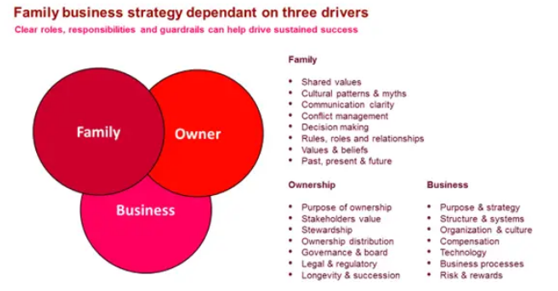
عضویت اعضای خانواده در هیات مدیره، درصد مالکیت سهم از سوی اعضای خانواده و کنترل یا نفوذ قابل ملاحظه خانواده در شرکت، از عواملی است که شركت‌های خانوادگی به وسیله آن تعریف می‌شوند. به لحاظ درصد مالکیت، شركت‌هايی به عنوان شركت‌های خانوادگی تلقی می‌شوند که یک یا چند نفر از یک یا دو خانواده، صاحب حداقل پنجاه درصد از حقوق صاحبان سهام باشند. از منظر کولی و همکاران شرکتی به عنوان خانوادگی تلقی می‌شود که یک عضو خانواده، جزو هیات مدیره باشد و حداقل دو نسل از خانواده در کنترل نقش تحقق اهداف و وظایف سازمانی و قالب برنامه‌های اجرایی برعهده دارد. باید گفت که بهبود مستمر عملکرد سازمان‌ها، نیروی عظیم هم افزایی ایجاد می‌كند که این نیروها می‌تواند پشتیبان برنامه رشد و توسعه و ایجاد فرصت های تعالی سازمانی شود.

استراتژی در شركت‌های خانوادگی چه طور تعریف می‌شود؟

تئوریسین‌های علم مدیریت، استراتژی را چگونگی تخصیص مطلوب منابع کمیاب، جهت رسیدن به اهداف اقتصادی تعریف کردند. استراتژی تعیین کننده زمینه‌های فعالیت در محیطی است پیچیده و پویا و ابزاری است که به عنصر انسانی در یک نظام سازمانی حیات بخشیده، افراد را به حرکت وا می‌دارد. استراتژی، تعیین کننده انجام فعالیت‌هایی است برای تحقق و دستیابی به اهداف و امروزه کاملا ضروری به نظر می‌رسد. به طور کلی می‌توان گفت استراتژی یک طرح عمومی و گسترده در راستای رسیدن به اهداف بلند مدت است.

تعریف دقیق بحران و مدیریت بحران چیست؟

استراتژی‌های سازمانی معمولا بر ابعاد مختلفی چون بازاریابی، امور مالی، تولید، تحقیق و توسعه و روابط عمومی متمرکز هستند. اجرای خوب استراتژی‌ها مستلزم ایجاد هماهنگی بین امور مختلف است. مهارت‌ها و امکانات مورد نیاز مدیریت کردن و اجرای استراتژی عبارتند از :

  • توانمندسازی سازمان به منظور هدایت موفقیت آمیز استراتژی،
  • تخصیص بهینه کلیه منابع و استفاده از بهترین تجارب و برنامه‌ها،
  • تعیین سیاست‌های پشتیبانی و روش‌های عملیاتی استراتژی،
  • جایگذاری به موقع استراتژی‌های برگزیده و جدید،
  • ایجاد سیستم‌های انگیزشی انسانی و پاداش دادن به میزان دستیابی به اهداف،
  • ایجاد فضا و فرهنگ کاری و سازمانی مفید جهت اجرا و انجام موفق استراتژی و ایجاد سیستم‌های اطلاعاتی و ارتباطی و عملیاتی توانمند به منظور هدایت اثربخش پرسنل.


ساختار سازمانی در شركت‌های دانش بنیان چگونه است؟

ساختار سازمانی چهار چوب روابط حاکم بر مشاغل، سیستم‌ها و فرآیندهای عملیاتی و افراد و گروه‌هایی است که برای نیل به هدف تلاش می‌كنند. ساختار سازمانی مجموعه راه‌هایی است که کار را به وظایف مشخص تقسیم می‌كند و هماهنگی میان آن‌ها را فراهم مي‌كند. ساختار سازمانی به الگوهای روابط درونی سازمان، اختیار و ارتباطات دلالت دارد و روابط گزارش‌دهی، کانال‌های ارتباط رسمی، تعیین مسؤولیت و تفویض اختیار تصمیم‌گیری را روشن می‌سازد. ساختار سازمانی باید توان تسریع و تسهیل تصمیم‌گیری، واکنش مناسب نسبت به محیط و حل تعارضات بین واحدها را داشته باشد. ارتباط بین ارکان اصلی سازمان و هماهنگی بین فعالیت‌های آن و بیان ارتباطات درون سازمانی از نظر گزارش‌دهی و گزارش‌گیری از وظایف ساختار سازمانی است.

مفهوم استراتژی به زبان ساده (تعریف کامل و جامع)

در سال ۲۰۱۲، در تحقیقی به بررسی ایدئولوژی‌های مختلف که هدایت کننده ابعاد فرهنگی کسب و کار خانوادگی است پرداخته شد. نتایج نشان ميی‌دهد که ابعاد نه گانه کسب و کار خانوادگی که به عنوان ایدئولوژی نشان داده شده‌اند به سه سیستم کسب و کار خانوادگی (خانواده، کسب و کار و اجتماعی) و سه عنصر تعامل اجتماعی (سازه، رابطه و شناخت) و هم‌چنین دو ویژگی اصلی فرهنگی (فاصله قدرت و اجتماعی بودن) را در رابطه با حساسیت فرهنگی کسب و کار خانوادگی، مربوط است.

مفهوم نفوذ خانواده در شركت‌هاي خانوادگی چیست؟

در مورد تاثیر خانوادگی حداقل سه بعد مهم وجود دارد:

  1. قدرت،

قدرت به آن حوزه‌ای اطلاق می‌شود که به امور مالی یک واحد تجاری مربوط است و اعضای یک خانواده با مشارکت هم به اداره و مدیریت یک واحد تجاری اقدام می‌كنند. حال قدرت در مقیاس خرد اقدام به برآورد سهم هر یک از اعضای خانواده در اداره واحد تجاری می‌كند.

  1. تجربه

تجربه به مجموع تجاربی اطلاق می‌شود که خانواده آن‌ها را وارد واحد تجاری می‌كند و با ایجاد تغییر در مدیریت و مالکیت آن‌ها را عملیاتی می‌كند.

  1. فرهنگ.

فرهنگ نیز به ارزش‌ها و تعهدی اطلاق می‌شود که اعضای خانواده در واحد تجاری خود در پیش می‌گیرند و از پرسش‌نامه تعهد واحد تجاری خانوادگی استفاده می‌نمایند. تعهد خانوادگی نوعی هم‌پوشانی بین ارزش‌های خانوادگی و واحد تجاری است.

تعریف شركت‌های خانوادگی چیست؟

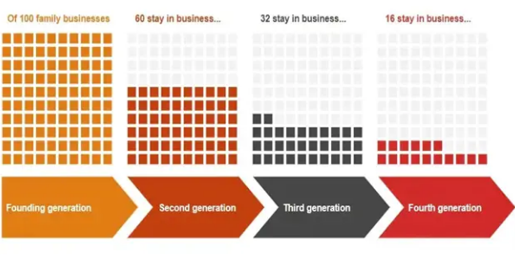
ارائه تعریفی برای شرکت خانوادگی یکی از مسائل چالشی در تحقیقات پیرامون شركت‌های خانوادگی می‌باشد. اگر چه بسیاری از محققین برای ایجاد یک تعریف فراگیر کوشیده‌اند، با این حال هنوز اجماعی در این باره وجود ندارد. در برخی پژوهش‌ها شركت‌های خانوادگی عبارتند از شركت‌هايی که خانواده و یا موسس مالک حداقل ۵ درصد شرکت باشد، با این حال برخی دیگر انتقال شرکت به نسل‌های بعد را نیز از مولفه‌های اصلی شركت‌هاي خانوادگی می‌دانند. در اغلب تحقیقات، شركت‌هاي خانوادگی شركت‌هايی هستند که توسط اعضای یک یا چند خانواده کنترل و مدیریت مي‌شوند، که گاها به نسل‌های بعدی نیز منتقل شده‌اند.

استفاده از تعاریف مختلف برای شركت‌های خانوادگی یکی از مشکلات اساسی در تحقیقات پیرامون شركت‌های خانوادگی است، که درک مفاهیم در این حوزه را دشوار ساخته است. شركت‌های خانوادگی نوع خاصی از سازمان‌ها هستند که در میان خود نیز به انواع مختلفی تقسیم بندی می‌شوند. مشارکت اعضای خانواده در مدیریت واحد تجاری و ساختار مالکیتی در هر شرکت خانوادگی منحصر به فرد است، بنابراین یک عامل ثابت برای تمایز قائل شدن میان شركت‌های خانوادگی نمی‌توان یافت. کریسمن با بررسی روند تحقیقات پیرامون شركت‌های خانوادگی به دو رویکرد در تعریف شركت‌های خانوادگی اشاره کرده است. این دو رویکرد عبارتند از :

  • رویکرد مشارکت
  • رویکرد ماهیت


رویکرد مشارکت در شركت‌هاي خانوادگی چیست؟

در رویکرد مشارکت، مشارکت خانواده در اداره شرکت شرط کافی برای خانوادگی بودن شرکت مي‌باشد، با این حال در رویکرد ماهیت، مشارکت خانواده در اداره شرکت شرط لازم برای خانوادگی محسوب نمودن شرکت است. براساس رویکرد مشارکت، وجود حداقل یکی از موارد زیر در شرکت، دال بر خانوادگی بودن آن است:

  • خانواده مالی شرکت باشد،
  • شرکت توسط خانواده مدیریت شود،
  • شرکت توسط خانواده کنترل شود،


رویکرد ماهیت در شركت‌های خانوادگی چیست؟

رویکرد ماهیت نسبت به رویکرد مشارکت محدود کننده‌تر است و براساس آن، شركت‌هايی خانوادگی محسوب می‌شوند که ویژگی‌های زیر را دارا باشند:

  • تأثیرگذاری خانواده بر استراتژی شرکت،
  • قصد خانواده بر حفظ کنترل خود بر شرکت و انتقال آن به نسل‌های بعد،
  • مشارکت خانواده باید منجر به رفتاری شود که سبب متمایز شدن شرکت شود،
  • منحصر به فرد بودن، یک‌پارچگی و هم افزایی منابع و قابلیت‌های ناشی از مشارکت خانواده لحاظ شود.


تعاریف مرسوم از شركت‌های خانوادگی جنبه عملیاتی داشته و هر یک بر تعاملات برخی از خصیصه‌های شركت‌های خانوادگی (نظیر مالکیت، راهبری، مدیریت، انتقال به نسل‌های آتی) متمرکز هستند. در چنین شرایطی محققان در تعیین دقیق این خصیصه‌ها و تشریح چگونگی تعاملات میان آن‌ها با مشکل مواجه مي‌شوند. رویکردهای سنتی فاقد مبنای تئوریک لازم برای تشریح چونگی تعامل میان این خصیصه‌ها می‌باشند که از این امر به عنوان ضعف این رویکردها یاد می‌شود.

به عبارت دیگر در رویکردهای سنتی نمی‌توان مشخص نمود که چرا مشارکت خانواده در شرکت منجر به نتایجی می‌شود که انتظار می‌رود با شركت‌های غیر خانوادگی متفاوت باشد. از این رو محققان به دنبال تعریفی تئوریک از شركت‌های خانوادگی رفته و تلاش نمودند که ماهیت شركت‌های خانوادگی را تعریف نمایند (رویکرد ماهیت). ذات رویکرد ماهیت، تئوریک است و توانایی تشریح نظریه‌های پیرامون شركت‌های خانوادگی را دارا می‌باشد.


نظریه های مربوط به شركت‌هاي خانوادگی

در این بخش تئوری‌های مربوط به شركت‌های خانوادگی مورد بررسی قرار می‌گیرند. در تحقیقات پیرامون شركت‌های خانوادگی، از این تئوری‌ها به منظور تشریح تمایز میان شركت‌های خانوادگی و غیر خانوادگی استفاده می‌شود.


نظریه دیدگاه مبتنی بر منبع

بخش زیادی از تحقیقات حوزه مدیریت استراتژیک بر موضوع مزیت رقابتی و منابع آن متمرکز می‌باشند. دیدگاه مبتنی بر منبع به دنبال پاسخ به این پرسش است که چرا برخی شركت‌ها نسبت به دیگر شركت‌ها عملکرد بهتری دارند. این تحقیقات به ناهمگونی شركت‌هايی که در یک صنعت فعالیت می‌كنند و عوامل موثر بر عملکرد بهتر برخی شركت‌ها می‌پردازند. با انجام پژوهش‌هایی توسط پن راس و ارائه نظریه رشد شرکت توسط او، منابع و قابلیت‌های داخلی شرکت به عنوان منشا مزیت رقابتی شرکت مورد توجه قرار گرفت و محققان با ثابت در نظر گرفتن شرایط بیرونی بازار، به بررسی و تحلیل منابع و قابلیت‌های داخلی شركت‌ها به عنوان عامل ایجاد کننده مزیت رقابتی پرداختند.


تعریف دقیق اقتصاد اشتراکی یا اقتصاد مشارکتی چیست؟

شركت‌هايی که در یک صنعت فعالیت می‌كنند، از لحاظ منابع به کار گرفته شده همسان نیستند؛ منابع شرکت می‌توانند شامل کلیه دارایی‌ها، قابلیت‌ها، فرآیندهای سازمانی، دانش، اطلاعات و  باشند. این منابع تحت کنترل شرکت بوده و شرکت را در فهم و اجرای استراتژی‌هایی که کارایی و اثربخشی را بهبود می‌بخشند، یاری می‌سازند. باید توجه داشت که کلیه این منابع، دارای اثرات مثبت بر نتایج فعالیت‌های سازمان نیستند. منابعی که دارای توانایی بالقوه ایجاد مزیت رقابتی می‌باشند، باید ۴ ویژگی را دارا باشند:

  1. منابع شرکت باید غیرقابل جایگزین باشند.
  2. این منابع باید منحصر به فرد بوده و فقط در اختیار یک شرکت باشند.
  3. این منابع باید دارای ارزش باشند، بدین معنا که یک منبع باید توانایی بالقوه اثرگذاری مثبت بر کارایی و اثربخشی شرکت را دارا باشد.
  4. این منابع باید بی مانند و غیر قابل تقلید باشند. شرکت در صورتی می‌تواند دارای مزیت رقابتی پایدار باشد که منابع و قابلیت‌های آن غیر قابل تقلید و بی مانند باشند.

در صورتی که شركت‌های رقیب، جایگزینی برای منابع و قابلیت‌های ایجاد کننده مزیت رقابتی بیابند، توانایی لازم برای اجرای استراتژی مشابه را پیدا خواهند نمود و در نتیجه مزیت رقابتی از بین خواهد رفت. دیدگاه مبتنی بر ارزش، تئوری زیر بنایی بسیاری از پژوهش‌های صورت گرفته در حوزه‌های مختلف می‌باشد. سرمایه‌های انسانی دارای اثرات مستقیم و غیرمستقیم بر عملکرد شرکت می‌باشند. منابع مختلف شرکت ( منابع مبتنی بر دانش و منابع مبتنی بر دارایی‌های مشهود) عملکرد مالی شرکت را توضیح می‌دهند.


تعریف دقیق تئوری وابستگی به منابع چیست؟

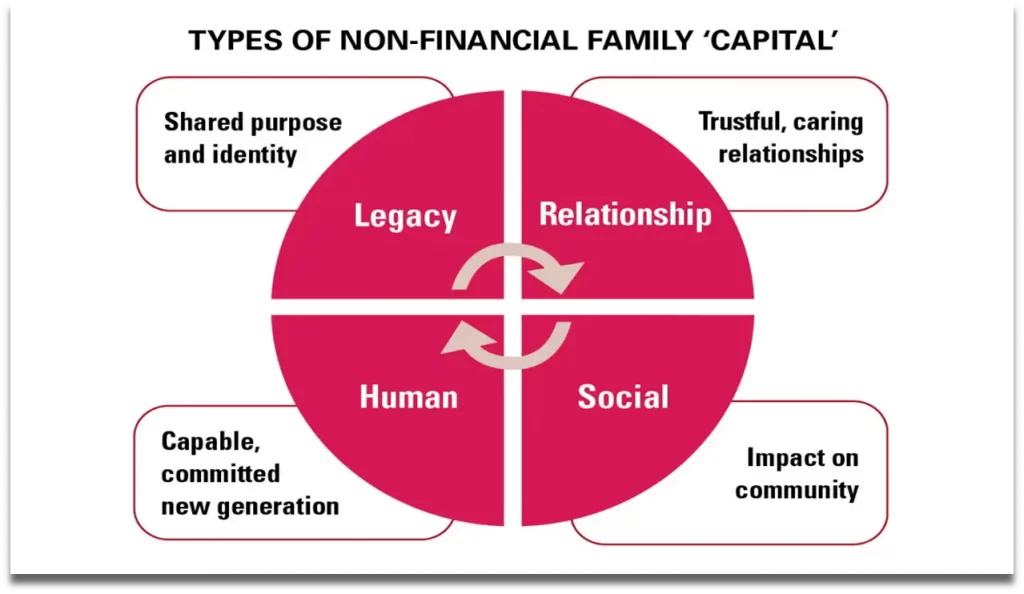
خانوادگی بودن شرکت را این‌گونه تعریف شده است که مجموعه‌ای از منابع خاص هر شرکت، که ناشی از مشارکت خانواده در شرکت می‌باشد. این منابع منحصر به فرد هنگامی می‌توانند حاصل شوند که خانواده بر کسب و کار تأثیر گذار باشد. روابط میان خانواده، اعضای آن و کسب و کار، برای هر شرکت خانوادگی بی مانند است. پنج منبع و ویژگی خاص در شركت‌های خانوادگی شناسایی شده که توانایی بالقوه ایجاد مزیت رقابتی در شركت‌های خانوادگی را دارا می‌باشند. مطابق مدل، شركت‌های خانوادگی این منابع را به اشکال متفاوتی نسبت به شركت‌های غیر خانوادگی به کار می‌گیرند، که نتیجه آن ایجاد یک مزیت رقابتی بالقوه است. این منابع شامل:

  • سرمایه انسانی،
  • سرمایه اجتماعی،
  • سرمایه پایدار پذیری ،
  • سرمایه مالی بادوام،
  • ساختار راهبری

می‌باشند.

سرمایه انسانی در شركت‌هاي خانوادگی چگونه تعریف مي‌شود؟

سرمایه انسانی در واقع دانش، مهارت‌ها و توانایی‌های کسب شده توسط افراد را توصیف می‌كند. در شركت‌های خانوادگی سرمایه انسانی می‌تواند تأثیرات مثبت یا منفی داشته باشد. گرچه در شركت‌های خانوادگی افراد به میزان زیادی به شرکت متعهد می‌باشند، روابط صمیمی و دوستانه وجود داشته و زمینه کسب دانش ضمنی در امور شرکت به میزان زیادی فراهم می‌باشد؛ با این حال به کار گیری پرسنل ناکارآمد، تنها به دلیل وابستگی خانوادگی ممکن است مساله ساز باشد.

در صورتی که نسل‌های بعدی خانواده، از ابتدا در امور شرکت مشارکت داشته باشند، می‌توانند دانش ضمنی وسیعی پیرامون فعالیت شرکت کسب کنند که این امر سبب بهبود کیفیت تصمیمات آن‌ها در رابطه با نوآوری، ابتکارات و سایر تصمیمات استراتژیک می‌گردد. به طور کلی تعهد بالا به شرکت، وجود روابط صمیمانه و دوستانه میان کارکنان و امکان کسب دانش ضمنی را از عواملی است که می‌تواند سبب عملکرد بهتر شركت‌های خانوادگی در مقایسه با شركت‌های غیر خانوادگی گردد. سرمایه اجتماعی روابط میان افراد یا سازمان‌ها را توصیف می‌كند در بخش بعد، سرمایه اجتماعی به تفصیل مطرح خواهد شد.


سرمایه پایدارپذیری در شركت‌های خانوادگی چگونه تعریف مي‌شود؟

سرمایه پایدارپذیری را به عنوان یک‌پارچگی منابع منحصر به فرد تعریف مي‌كنند؛ به عبارت دیگر سرمایه پایدار پذیری عبارتست از مجموعه منابع فردی که اعضای خانواده مایلند در جهت منافع کسب و کار خانوادگی ارائه داده و به اشتراک بگذارند. این منابع می‌توانند به صورت کار و فعالیت رایگان، کمک به شرکت در شرایط نامساعد اقتصادی، و (علاوه بر سرمایه‌گذاری صورت گرفته توسط آن‌ها در شرکت) باشد.

سرمایه مالی بادوام با سرمایه مالی رایج متفاوت است. سرمایه گذاری بلندمدت از جمله ویژگی‌های مهم سرمایه مالی بادوام می‌باشد. سرمایه مالی بادوام چالشی برای نقدینگی شرکت در کوتاه مدت ایجاد نکرده و به سبب نگاه بلندمدت خانواده سیستم پاسخ‌دهی افراطی برای نتایج نامناسب کوتاه مدت وجود ندارد. از آن‌جایی که نوآوری و ابتکارات اغلب شامل پروژه‌های بلند مدت می‌باشند، شركت‌های‌ خانوادگی می‌توانند از ساختار مالی خود منفعت ببرند.

پژوهش‌های صورت گرفته موید این امر است که شركت‌هایی با سرمایه مالی بادوام، بیشتر قادر به اتخاذ استراتژی‌های نوآورانه و خلاقانه می‌باشند.


حاکمیت شرکتی در شركت‌های خانوادگی چگونه تعریف مي‌شود؟

ساختار راهبری شركت‌های خانوادگی غالبا با مباحث تئوری نمایندگی در ارتباط است. به طور کلی پاسخ مشخصی برای این پرسش وجود ندارد که آیا ساختار حاکمیت شركت‌های خانوادگی، هزینه‌های نمایندگی را کاهش یا افزایش می‌دهد.  نظام حاکمیت شرکتی شركت‌های خانوادگی را یکی از دلایل ایجاد کننده مزیت رقابتی در این گونه شركت‌ها می‌داند. از دیدگاه وی سه ویژگی حاکمیت شركت‌هاي خانوادگی شامل:

  • صرفه جویی،
  • شخص‌گرایی
  • جزیی نگری

است. این ویژگی‌ها می‌توانند در شرکت مزیت هزینه‌ای ایجاد کرده و منجر به مزیت رقابتی، کمک به ایجاد و استفاده از سرمایه اجتماعی و ترغیب به سرمایه‌گذاری فرصت طلبانه شوند، اما با در نظر گرفتن ساختار شركت‌های خانوادگی، توصیفات تئوری نمایندگی می‌تواند متفاوت باشد که در بخش‌های بعد سناریوهای متفاوتی از تضاد نمایندگی در شركت‌های خانوادگی به تفصیل بیان خواهد شد.

نظریه سرمایه اجتماعی

تئوری سرمایه اجتماعی یکی دیگر از تئوری‌های رایجی است که در تحقیقات پیرامون شركت‌های خانوادگی مورد استفاده قرار می‌گيرد که تعامل میان افراد در یک شبکه اجتماعی را نشان می‌دهد. سرمایه اجتماعی به پیوندها و ارتباطات میان اعضای یک شبکه به عنوان منبع با ارزش اشاره دارد که با خلق هنجارها و اعتماد متقابل موجب تحقق اهداف اعضا می‌شود.

سرمایه اجتماعی می‌تواند مبادله منابع در داخل شرکت یا واحد سازمانی، خلق سرمایه فکری، یادگیری درون سازمانی، تعاملات با عرضه کنندگان، نوآوری در محصولات و کارآفرینی را تحت تأثیر قرار دهد.

سه جنبه سرمایه اجتماعی شامل:

  • ساختاری،
  • روابطی
  • شناختی

است. جنبه ساختاری سرمایه اجتماعی به توصیف ساختار و الگوهای ارتباطات میان افراد می‌پردازد. باورها، هنجارها و تعهداتی که افراد را در یک شبکه اجتماعی به هم مرتبط مي‌كند به وسیله جنبه روابطی تئوری سرمایه اجتماعی توصیف می‌شود. هم‌چنین جنبه شناختی به توصیف زبان اشتراکی، تفسیرها و سیستم‌های معنایی در یک شبکه اجتماعی می‌پردازد.

استراتژی بنگاه مادر چگونه تدوین می‌شود؟

در شركت‌های خانوادگی، هر یک از جنبه های فوق در دو بعد خانواده و سایر سهامداران قابل بحث است. تحقیقات صورت گرفته نیز میان سرمایه اجتماعی خانواده و سرمایه اجتماعی سازمانی در شركت‌های خانوادگی تمایز قائل شده‌اند. از سرمایه اجتماعی خانواده با عنوان پایدارترین و قوی‌ترین شکل از سرمایه اجتماعی یاد می‌كنند. خانواده شامل یک شبکه اجتماعی منحصر به فرد است که هر عضو می‌تواند با سایر اعضای خانواده دارای روابط اجتماعی بر مبنای اعتماد و زبان مشترک باشد. بنابراین اعضای خانواده می‌توانند از جوانب مختلف به هم‌دیگر منفعت رسانی کنند، که این امر در دستیابی به منابع خارجی و تسهیل هماهنگی داخلی به شركت‌ها کمک می‌كند. وجود ارتباط میان این دو شکل از سرمایه اجتماعی در شركت‌های خانوادگی، می‌تواند عملکرد شرکت را ارتقا دهد.

از دیدگاه نوآوری و ابتکارات نیز، سرمایه اجتماعی خانواده می‌تواند یک منبع اساسی باشد، که برای هر شرکت خانوادگی منحصر به فرد است. سرمایه اجتماعی خانواده می‌تواند به عنوان یک مزیت رقابتی شناخته شود، زیرا که ناشی از فعالیت خانواده و مربوط به درون شرکت است.

تئوری نمایندگی و تئوری مباشرت

تئوری نمایندگی و تئوری مباشرت دو نظریه عمده می‌باشند که روابط میان کارفرما و نماینده را تشریح می‌كنند. تئوری مباشرت بسط تئوری نمایندگی می‌باشد که در آن دیدگاه‌های سایر حوزه‌ها نظیر جامعه شناسی و روانشناسی هم لحاظ می‌گردند. این دو در مدل سازی رفتار افراد نیز تفاوت‌هایی دارد. ذکر این نکته لازم است که در تئوری مباشرت، رفتار مباشر محرک‌هایی فراتر از منفعت اقتصادی شخصی (نظیر انگیزه برای موفقیت شرکت) دارد.

تئوری نمایندگی به بررسی روابط و تضاد منافع میان نماینده (کار گمار) و کارفرما می‌پردازد و از لحاظ نظری مبتنی بر منافع غیر هم‌سو، رفتار فرصت طلبانه و عدم تقارن اطلاعاتی می‌باشد. در شرایطی که نماینده و کارفرما منافع یکسانی داشته باشند، تضاد منافع و هزینه‌های نمایندگی به وجود نخواهد آمد، اما در حالت دیگر، نماینده و کارفرما منافع غیر هم‌سویی خواهند داشت. در چنین شرایطی نماینده اطلاعات بیشتری نسبت به کارفرما پیرامون فعالیت‌هایش، شرایط تصمیم‌گیری و پیامد اقداماتش خواهد داشت.

تعریف دقیق استراتژی کارآفرینی سازمانی چیست؟

در نتیجه عدم تقارن اطلاعاتی، دو نوع تضاد نمایندگی شامل انتخاب نادرست و خطر اخلاقی به وجود می‌آید. انتخاب نادرست به شرایط قبل از قرارداد مربوط است که طی آن کارفرما به سبب بی اطلاعی، نماینده‌ای با توانایی، تعهد و سخت‌کوشی کمتر نسبت به آن‌چه مد نظرش بوده انتخاب می‌كند. خطر اخلاقی به شرایط بعد از قرارداد اشاره دارد که طی آن اقدامات نماینده به جای برآوردن منافع کارفرما، در جهت منافع شخصی قرار می‌گيرد.

قراردادهای کارا که کلیه رویدادها را پیش بینی و مدیریت می‌كنند، تنها در شرایطی وجود خواهند داشت که اطلاعات کامل و بی هزینه بوده و توانایی‌های ذهنی افراد محدود نباشد. البته این شرایط در واقعیت وجود ندارد، زیرا که افراد عقلانیت محدود دارند. در نتیجه، این شرایط منجر به قراردادهای ناکامل میان کارفرما و نماینده می‌شود. برای کنترل مسائل انتخاب نادرست و خطر اخلاقی، کارفرما مجبور به ایجاد فرآیندهایی جهت استخدام و هم‌سوسازی منافع نماینده با منافع خویش می‌باشد. هزینه‌های مربوط به کنترل مسائل نمایندگی را هزینه‌های نمایندگی می‌نامند. در شركت‌هاي خانوادگی سه نوع تضاد نمایندگی وجود دارد که عبارتند از:
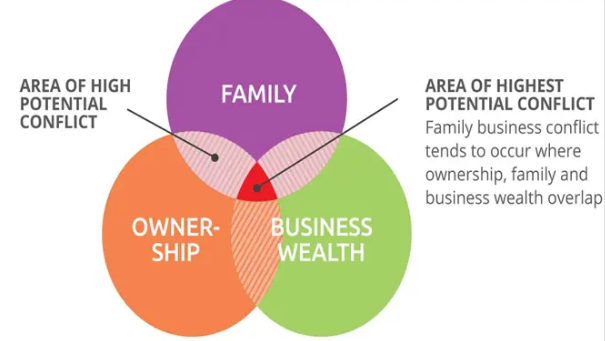
  • تضاد میان مالکان خانوادگی و مدیران،
  • تضاد میان مالکان خانوادگی و سایر سهامداران،
  • تضاد میان شرکت و اعتبار دهندگان.

مدیران درون خانواده یا مدیران بیرونی؟

مالکان خانوادگی و مدیران مالکیت خانوادگی لزوما به معنای مدیریت شرکت توسط اعضای خانواده نمی‌باشد. بسیاری از شركت‌های خانوادگی افسار هدایت شرکت را به مدیرانی بیرون از خانواده می‌سپارند، زیرا که ممکن است خانواده دارای اعضای توانا و لایق برای اداره شرکت نبوده و یا اين كه اعضای خانواده نتوانند با هم‌دیگر توافق کنند که کدام عضو شرکت را اداره کند. برای حل این‌گونه مسائل، شركت‌های خانوادگی از مدیران بیرونی استفاده می‌كنند.

در این‌گونه موارد ظاهر رابطه میان کارفرما (مالکان خانوادگی) و نماینده (مدیر بیرونی) مشابه با شركت‌های غیر خانوادگی به نظر می‌رسد، اما باید توجه داشت که باطن مساله متفاوت است. عملکرد و آینده شرکت برای اعضای خانواده بسیار با اهمیت است؛ زیرا که آن‌ها بخش اعظم ثروت خود را در شرکت سرمایه‌گذاری نموده‌اند. اگر چه سرمایه‌گذاری خانواده می‌تواند با سرمایه‌گذاری سهامداران نهادی در شركت‌های سهامی عام مقایسه شود، با این حال این خود یک نوع خاص از سرمایه‌گذاری است که متنوع سازی نشده است.

تمایل شدید اعضای خانواده به موفقیت شرکت منجر به نظارت دقیق بر مدیر خارجی می‌گردد. مالکیت متمرکز، نظیر آن‌چه در شركت‌های خانوادگی دیده می‌شود، بیانگر انگیزه اقتصادی قوی برای نظارت بر مدیران بیرونی و کاهش هزینه‌های نمایندگی می‌باشد.

خانواده به عنوان یک سهامدار متمرکز دارای قدرت گماشتن مدیر بیرونی و کنترل تصمیمات حیاتی وی می‌باشد. از آن‌جایی که خانواده مدت زیادی با امور شرکت سر و کار دارد، در نتیجه درک خوبی از فرآیندهای عملیاتی و امور شرکت خواهد داشت که منجر به نظارت کارآمدتر بر مدیر بیرونی می‌شود. در اثر این نظارت دقیق، احتمال استفاده مدیر بیرونی از منابع شرکت در راستای منافع شخصی محدود شده و بنابراین ارزش شرکت تحت تأثیر قرار می‌گيرد. این نظارت و کنترل دقیق و کارآمد بر مدیر بیرونی می‌تواند عدم تقارن اطلاعاتی میان خانواده و مدیر بیرونی را کاهش داده و ریسک رفتار فرصت طلبانه مدیر را کاهش دهد.

تعریف دقیق آینده پژوهی استراتژیک چیست؟

با این وجود، مدیران اجرایی شركت‌های خانوادگی غالبا از اعضای خانواده می‌باشند. در این شرایط هزینه‌های نمایندگی کاهش می‌یابد، زیرا جدایی مالکیت از مدیریت وجود ندارد. مالکان و مدیران اجرایی هر دو از خانواده هستند و در جهت منافع خانواده گام بر می‌دارند. ماهیت اهداف و منافع مالکان خانوادگی و مدیران خانوادگی منجر به کاهش هزینه‌های نمایندگی می‌شود.

به خصوص این که مدیران خانوادگی غالبا دارای روابط احساسی نسبت به شرکت به عنوان ثروت و میراث خانواده هستند. تئوری مباشرت نیز از این دیدگاه پشتیبانی می‌كند. مطابق با تئوری مباشرت مدیران خانوادگی مباشرانی هستند که انگیزه زیادی برای فعالیت در جهت منافع خانواده دارند.


رابطه مالکان خانوادگی و سایر سهامداران باید چگونه باشد؟

تضاد نمایندگی می‌تواند میان سهامدار عمده و سهامداران اقلیت وجود داشته باشد. در شركت‌های خانوادگی سهامی عام، خانواده غالبا دارای بخش زیادی از سهام شرکت می‌باشد، در حالی که سایر سهامداران مالک بخش اندکی از سهام شرکت هستند. در این‌گونه موارد امکان وجود عدم تقارن اطلاعاتی و تضاد منافع میان سهامدار عمده و سهامداران اقلیت وجود دارد.

این امر در هلدینگ‌هایی که اکثریت سهام آن در اختیار خانواده است شدیدتر است زیرا که خانواده تعداد زیادی شرکت را کنترل می‌كند. این هلدینگ‌های خانوادگی غالبا از یک ساختار هرمی استفاده می‌كنند، بدین معنا که خانواده مستقیما شرکتی را کنترل می‌كند که آن شرکت نیز شركت‌های دیگر را کنترل می‌كند و این ساختار تا پایین هرم ادامه دارد. خانواده از طریق یک زنجیره روابط مالکیتی بر شركت‌های زیادی کنترل خواهد داشت.


مدیریت استراتژیک در سازمان‌های هلدینگ چگونه است؟

این نوع ساختار مسائل نمایندگی زیادی را به وجود می‌آورد، زیرا مدیر در جهت رضایت خانواده کنترل کننده هلدینگ رفتار می‌كند و به خواسته سایر سهامداران توجه کمتری مبذول می‌دارد. در این ساختار هرمی از سهامداران اقلیت برای تامین بخشی از سرمایه مورد نیاز مجموعه استفاده می‌شود ولی در عین حال این تامین کنندگان در هیچ یک از شركت‌های هلدینگ دارای سهام اکثریت نمی‌باشند.

خانواده در راس این هرم می‌تواند از طریق رفتار منفعت طلبانه و تونل زنی از ثروت سهامداران اقلیت سواستفاده کند. از طرفی شركت‌های یک هلدینگ خانوادگی غالبا با یک‌دیگر همکاری می‌كنند و کالا و خدماتی را به هم‌دیگر ارائه می‌كنند. در این بین، رابطه خریدار و فروشنده می‌تواند از طریق قیمت‌گذاری محصولات تحت تأثیر قرار گیرد. خانواده ممکن است قصد انتقال سود از شرکتی در سطوح پایین به شرکتی در راس هرم را داشته باشد (مثلا انتقال سود از شرکت E به شرکت A). بنابراین در این حالت سهامداران اقلیت (مثلا سهامداران شرکت E) متضرر خواهند شد.

در مواردی که اعضای خانواده، مناصب اجرایی شرکت را نیز بر عهده داشته باشند، تضاد منافع میان مالکان خانوادگی و سهامداران اقلیت به اوج می‌رسد. در این شرایط، عدم تقارن اطلاعاتی میان مالکان خانوادگی و سهامداران اقلیت افزایش می‌یابد، زیرا مدیران اجرایی از اعضای خانواده بوده و جریان اطلاعاتی بیشتری میان اعضای خانواده نسبت به سهامداران بیرونی وجود خواهد داشت.

تصدی مناصب اجرایی توسط اعضای خانواده می‌تواند منجر به مسائل سنگربندی شود که طی آن شرایطی وجود دارد که مدیر خانوادگی دارای چنان قدرت زیادی است که می‌تواند در جهت منافع خود و سایر اعضای خانواده اعمال کند. در این گونه موارد، سهامداران بیرونی و سهامداران اقلیت متضرر خواهند شد.

در مقابل، سهامداران اقلیت انگیزه دارند تا از طریق قیمت، از سرمایه خود در قبال رفتار فرصت طلبانه اکثریت محافظت کنند. سهامداران اقلیت با کاهش قیمت سهام از خود دفاع می‌كنند و انتشار سهام در آینده را برای شرکت دشوار می‌كنند. در این حالت مالکان خانوادگی برای کاهش تضاد و هزینه‌های نمایندگی، باید با استفاده از ابزارهای مختلف، عدم تقارن اطلاعاتی و مسائل نمایندگی را تقلیل دهند.


تضاد میان شرکت و اعتباردهندگان چطور رخ مي‌دهد؟

مالکان مختلف در شركت‌های سهامی انگیزه دارند که از طریق سرمایه‌گذاری در پروژه‌های ریسکی و با بازده بالا، از سرمایه اعتباردهندگان سواستفاده کنند. در نتیجه، اعتباردهندگان چنین انگیزه‌هایی را پیش بینی کرده و به دلیل وجود عدم تقارن اطلاعاتی سعی می‌كنند که از طریق افزایش نرخ بهره از خود محافظت کنند.

با این حال شركت‌هايی که مالک عمده داشته و پرتفوی سرمایه‌گذاری این مالکان متنوع نیست (شركت‌هاي خانوادگی)، انگیزه‌های متفاوتی دارند. از آن جایی که این مالکان افق سرمایه‌گذاری بلندمدتی دارند و مرتبا نیاز به تامین مالی از این راه‌ها دارند، سعی در کاهش تضاد نمایندگی میان خود و اعتباردهندگان دارند. هزینه تامین مالی از طریق بدهی برای شركت‌های خانوادگی کمتر از شركت‌های غیر خانوادگی است، زیرا که آن‌ها تمایل دارند که مسائل نمایندگی میان خود و اعتباردهندگان را کاهش دهند.


تعریف دقیق هوشمندی رقابتی و هوش رقابتی چیست؟

این شواهد بر تلاش شركت‌های خانوادگی برای کاهش عدم تقارن اطلاعاتی و مسائل نمایندگی دلالت دارند. از آن‌جایی که عدم تقارن اطلاعاتی یکی از عوامل عمده موثر بر رتبه بندی اعتباری است، شركت‌هاي خانوادگی برای ارتقای رتبه اعتباری و استقراض ارزان، باید در جهت بهبود وضعیت اطلاع‌رسانی خود گام بردارند و عدم تقارن اطلاعاتی را کاهش دهند.

نتیجه گیری مقاله شركت‌های خانوادگی

در ابتدا مساله تعریف شركت‌های خانوادگی به عنوان یکی از چالش‌های تحقیقات این حوزه مطرح و رویکردهای مشارکت و ماهیت در تعریف شركت‌های خانوادگی تشریح گردید.

سپس سه تئوری توضیح دهنده تفاوت شركت‌های خانوادگی با سایر شركت‌ها مورد بررسی قرار گرفت. 

مطابق با دیدگاه مبتنی بر منبع، پنج منبع سرمایه انسانی، سرمایه اجتماعی، سرمایه پایدارپذیری، سرمایه مالی بادوام و ساختار راهبری به عنوان عوامل ایجاد کننده مزیت رقابتی در شركت‌های خانوادگی معرفی شدند. 

پس از آن با بررسی تئوری سرمایه اجتماعی نشان داده شد که برخی محققین از سرمایه اجتماعی خانواده با عنوان پایدارترین و قوی‌ترین شکل از سرمایه اجتماعی یاد می‌كنند. 

در آخر نیز تئوری نمایندگی و مباشرت تشریح و تضاد نمایندگی میان مالکان خانوادگی و مدیران، مالکان خانوادگی و سایر سهامداران شرکت و اعتباردهندگان مورد بررسی قرار گرفت.

ماحصل تئوری‌های مطرح شده فوق، درک تفاوت در ماهیت شركت‌های خانوادگی و غیر خانوادگی می‌باشد؛ که از جمله آن‌ها می‌توان به وجود زمینه‌های بالقوه برای عملکرد بهتر شركت‌های خانوادگی و نقاط ضعف و قوت مسائل نمایندگی در این شركت‌ها اشاره نمود. از این رو لازم است که سرمایه‌گذاران در تصمیمات اقتصادی خود فرصت‌ها و مخاطرات ناشی از وجود مالکیت خانوادگی را مد نظر قرار دهند. هم‌چنین نهادهای ناظر می‌توانند از طریق ایجاد مکانیسم‌هایی جهت افشای اطلاعات پیرامون مالکیت خانوادگی در شركت‌های پذیرفته شده در بورس اوراق بهادار تهران و فرابورس ایران، اطلاعات لازم جهت تصمیم‌گیری مشارکت کنندگان بازار را فراهم کنند.

منابع اطلاعاتی بیشتر:

https://www.journals.elsevier.com/journal-of-family-business-strategy https://www.sciencedirect.com/science/article/pii/S1877858510000100 https://martinroll.com/resources/articles/strategy/strategy-and-succession-in-family-business-charting-the-future/ https://www.forbes.com/sites/forbescoachescouncil/2020/03/18/strategies-for-family-business-success/ https://cfeg.com/insights_research/integrated-strategic-planning-for-the-family-business-system/ https://www2.deloitte.com/content/dam/Deloitte/us/Documents/audit/us-audit-family-business-leadership.pdf https://www.uschamber.com/co/start/strategy/how-to-structure-family-business https://www.waldenu.edu/programs/business/resource/eight-tips-to-run-a-successful-family-business


https://www.journals.elsevier.com/journal-of-family-business-strategy https://www.sciencedirect.com/science/article/pii/S1877858510000100 https://martinroll.com/resources/articles/ Strategy/strategy-and-succession-in-family-business-charting-the-future/ https://www.forbes.com/sites/forbescoachescouncil/2020/03/18/strategies-for-family-business-success/ https://cfeg.com/insights_research/integrated-strategic-planning-for-the-family-business-system/ https://www2.deloitte.com/content/dam/Deloitte/us/Documents/audit/us- audit-family-business-leadership.pdf https://www.uschamber.com/co/start/strategy/how-to-structure-family-business https://www.waldenu.edu/programs/business/resource/ هشت نکته برای اداره یک کسب و کار خانوادگی موفق

What is the nature of family companies?

What is the nature of family companies?
How is the family business strategy formulated?

We intend to give a definition of ( family business ). to present and answer the question why family companies are different from other companies and why family companies are investigated separately in the researches. In this regard, the theories that explain the difference between family and non-family companies are examined and explained. In this regard, the theories that explain the difference between family and non-family companies are examined and explained. In the next step, important theories about family companies are examined and finally a summary is made.

An introduction to family companies

Family businesses are the oldest type of business organization. In most countries, family businesses are over 70 They account for a percentage of the total trade and play a key role in economic growth and job creation. Family businesses range from small or medium-sized enterprises to large corporations operating in multiple industries and countries..

The ownership structure of family companies has caused differences with non-family companies, which has made it necessary to examine different dimensions and concepts in family companies. On the other hand, due to the existence of a significant number of family companies in Iran and the Tehran Stock Exchange, it is very important to examine the various aspects of these companies in Iran, which has recently been investigated in the field of accounting..

Why should family companies have a strategy?

In today’s competitive world, organizations compete with each other and try to overcome each other, so having competitive advantages is the concern of every organization and manager. One of the ways for the success of their organizations is to pay attention to new aspects in the field of management and in addition to pay attention to the performance of their organization. There is a belief that performance has meaning only in a decision-making environment, i.e. internal and external decision makers of the company must agree on performance..

Performance plays a very important role in the global economy and is considered as a useful tool in obtaining economic growth and competitive advantages of the organization. Family companies should pay attention to their performance more than other companies due to the dependence of family members on the income and profit of the company. In recent years, the role of performance as the most key source of organizations in gaining competitive advantage has become a very important issue, and the idea of performance management has gained ground in many performance-based businesses.

What is the definition of business ecosystem?

Therefore, organizations are looking for new ways to survive in the field of business in effective competition. From a perspective that is the main perspective of performance management literature, organizational cultures can be changed to produce value and behaviors related to performance. Culture represents the beliefs, values, norms and social customs and supervises the behavior of people in the organization.

On the other hand, success in any organization depends on developing a suitable vision and strategy. Strategy is a requirement for evaluating the performance of a business and represents a model or plan that combines the goals, policies and operational chains of an organization in the form of a connected whole. Achieving a proper communication link between an organization’s environment and its strategy, structure and processes has positive effects on the organization’s performance. Organizational structure is the main pillar of an organization, which can in turn have a significant impact on the performance of the organization.

Organizational structure of family companies

The right structure plays an important role in the productivity of any organization, and the correct planning of any structure will improve the performance of human resources and increase its productivity. Every organization accepts a structure or form that is more compatible with their national culture, and when the organization is faced with adverse conditions and violations of the environment, it cannot adapt itself to them and chooses an inappropriate structure. The organizational structure affects the processes and the processes mutually affect the structure.

Alignment of organizational structure and strategy is another requirement for optimal performance, the main purpose of matching between organizational structure and business strategies is to design and decide on an organizational structure that contains the best support for the implementation of strategies and an initial plan. Plan to move from the current situation to the desired situation. Alignment of strategy and structure is a systematic method for designing the structure in order to achieve the growth and effectiveness of the organization, which is based on the strategy and performance of the organization. Therefore, considering the importance of culture, strategy, organizational structure and the fit between strategy and organizational structure and their impact on family business performance, we try to investigate the relationship between the fit of strategy and organizational structure with performance in family companies..

What is the concept of family company?

The membership of family members in the board of directors, the percentage of share ownership by family members and the control or significant influence of the family in the company are among the factors that define family companies. In terms of percentage of ownership, companies are considered as family companies if one or more people from one or two families own at least fifty percent of the equity. From the point of view of Koli et al., a company is considered family when a family member is part of the board of directors and at least two generations of the family are responsible for controlling the fulfillment of organizational goals and tasks and the format of executive plans. It should be said that the continuous improvement of the performance of their organizations creates a huge synergistic force that can support the growth and development plan and create opportunities for organizational excellence..

How is strategy defined in family companies?

The theorists of management science defined strategy as the optimal allocation of scarce resources in order to achieve economic goals. Strategy determines the fields of activity in a complex and dynamic environment and is a tool that gives life to the human element in an organizational system and makes people move. Strategy is the determinant of carrying out activities to realize and achieve goals, and nowadays it seems absolutely necessary. In general, it can be said that strategy is a general and broad plan to achieve long-term goals.

What is the exact definition of crisis and crisis management?

Organizational strategies are usually focused on different dimensions such as marketing, finance, production, research and development, and public relations. Good implementation of strategies requires coordination between different things. The skills and facilities needed to manage and implement the strategy are:

  • Empowering the organization in order to successfully guide the strategy.
  • optimal allocation of all resources and use of the best experiences and programs,
  • Determining support policies and strategy operational methods,
  • timely placement of selected and new strategies,
  • Creating human motivational systems and rewarding the level of achievement of goals,
  • Creating a useful working and organizational atmosphere and culture for the successful implementation of the strategy and the creation of powerful information, communication and operational systems in order to guide the personnel effectively.

How is the organizational structure in knowledge-based companies?

Organizational structure is the framework of relationships governing businesses, operational systems and processes, and people and groups that strive to achieve a goal. Organizational structure is a set of ways that divides work into specific tasks and provides coordination between them. Organizational structure refers to the patterns of internal relations of the organization, authority and communication, and it clarifies reporting relations, official communication channels, determining responsibility and delegating decision-making authority. Organizational structure should be able to accelerate and facilitate decision-making, appropriate response to the environment and resolve conflicts between units. The communication between the main elements of the organization and the coordination between its activities and the expression of intra-organizational communication in terms of reporting and reporting are the duties of the organizational structure..

The concept of strategy in simple language (complete and comprehensive definition)

In 2012, in a research, different ideologies that guide the cultural dimensions of family business were investigated. The results show that the nine dimensions of family business which are shown as ideology are related to three family business systems (family, business and social) and three elements of social interaction (structure, relationship and knowledge) and also two The main cultural characteristic (power distance and sociability) is related to the cultural sensitivity of family business.

What is the concept of family influence in family companies?

There are at least three important dimensions to family influence:

  1. the power,

Power refers to that area that is related to the financial affairs of a business unit and the members of a family participate in the administration and management of a business unit. Now, on a micro scale, the power estimates the contribution of each family member in the management of the business unit.

  1. Experience

Experience refers to the sum of experiences that the family brings into the business unit and operationalizes them by making changes in management and ownership.

  1. Culture.

Culture also refers to the values and commitment that family members undertake in their business unit and use the family business unit commitment questionnaire. Family commitment is an overlap between family values and business unit.

What is the definition of family companies?

Providing a definition for family company is one of the challenging issues in the research about family companies. Although many researchers have tried to create a comprehensive definition, there is still no consensus about it. In some studies, family companies are companies where the family or the founder owns at least 5% of the company, however, others consider the transfer of the company to the next generations as one of the main components of family companies. In most researches, family firms are firms that are controlled and managed by one or more family members, which are sometimes passed down to subsequent generations..

The use of different definitions for family companies is one of the main problems in the research about family companies, which has made it difficult to understand the concepts in this field. Family companies are a special type of organizations that are divided into different types among themselves. The participation of family members in the management of the business unit and the ownership structure in each family company is unique, so a fixed factor cannot be found to distinguish between family companies. By examining the research process about family companies, Chrisman has pointed out two approaches in defining family companies. These two approaches are:

  • Partnership approach
  • Nature approach

What is the approach of participation in family companies?

In the partnership approach, family participation in the company management is a sufficient condition for the company to be family, however, in the nature approach, family participation in the company management is a necessary condition for the company to be considered family. According to the partnership approach, the presence of at least one of the following in the company indicates that it is family:

  • be the financial family of the company,
  • The company is managed by the family.
  • The company is controlled by the family.

What is the nature approach in family companies?

The nature approach is more restrictive than the partnership approach, and based on it, family companies are considered to have the following characteristics:

  • The influence of the family on the company’s strategy.
  • The family’s intention to maintain its control over the company and transfer it to the next generations.
  • Family involvement should lead to behavior that differentiates the company.
  • The uniqueness, integration and synergy of resources and capabilities resulting from family participation should be taken into account.

Conventional definitions of family companies have an operational aspect and each one focuses on the interactions of some characteristics of family companies (such as ownership, leadership, management, transfer to future generations). In such a situation, researchers face difficulties in accurately determining these characteristics and explaining how they interact. Traditional approaches lack the necessary theoretical basis to explain the interaction between these characteristics, which is referred to as the weakness of these approaches..

In other words, traditional approaches cannot determine why family participation in the company leads to results that are expected to be different from non-family companies. Therefore, the researchers looked for a theoretical definition of family companies and tried to define the nature of family companies (nature approach). The essence of the approach is theoretical in nature and has the ability to explain the theories surrounding family companies.

Theories related to family companies

In this section, the theories related to family companies are examined. In research about family firms, these theories are used to explain the distinction between family and non-family firms..

Source-based perspective theory

A large part of the research in the field of strategic management focuses on the issue of competitive advantage and its resources. The resource-based perspective seeks to answer the question of why some companies perform better than others. This research deals with the heterogeneity of companies operating in the same industry and the factors affecting the better performance of some companies. By conducting research by Penn Ross and presenting the company growth theory by him, the company’s internal resources and capabilities were considered as the source of the company’s competitive advantage, and the researchers, taking the external market conditions into consideration, investigated and analyzed the internal resources and capabilities of the companies to They discussed the factor that creates competitive advantage.

What is the exact definition of sharing economy or collaborative economy?

Companies operating in the same industry are not identical in terms of the resources employed; Company resources can include all assets, capabilities, organizational processes, knowledge, information, to be These resources are under the control of the company and help the company in understanding and implementing strategies that improve efficiency and effectiveness. It should be noted that all these sources do not have positive effects on the results of the organization’s activities. Resources that have the potential to create a competitive advantage must have 4 characteristics:

  1. Company resources must be irreplaceable.
  2. These resources must be unique and only available to one company.
  3. These resources must have value, which means that a resource must have the potential to positively affect the efficiency and effectiveness of the company.
  4. These sources must be unique and inimitable. The company can have a sustainable competitive advantage if its resources and capabilities are inimitable.

If competing companies find an alternative to the resources and capabilities that create a competitive advantage, they will find the necessary ability to implement a similar strategy, and as a result, the competitive advantage will be lost. The value-based perspective is the underlying theory of many researches conducted in different fields. Human capital has direct and indirect effects on company performance. Different resources of the company (knowledge-based resources and tangible assets-based resources) explain the company’s financial performance.

What is the exact definition of resource dependence theory?

The family nature of the company is defined as a set of specific resources of each company, which is caused by the family’s participation in the company. These unique resources can be obtained when the family influences the business. The relationship between the family, its members and the business is unique for any family business. Five sources and special features in family companies have been identified, which have the potential to create a competitive advantage in family companies. According to the model, family firms use these resources in different ways than non-family firms, resulting in a potential competitive advantage. These sources include:

  • Human Capital,
  • Social capital,
  • sustainability capital,
  • sustainable financial capital,
  • Management structure

Are..

How is human capital defined in family companies?

Human capital actually describes the knowledge, skills and abilities acquired by people. In family companies, human capital can have positive or negative effects. Although in family companies, people are committed to the company to a large extent, there are close and friendly relationships and the field of acquiring implicit knowledge in the affairs of the company is provided to a large extent; However, employing inefficient personnel may be problematic only because of family affiliation.

If the next generations of the family are involved in the company’s affairs from the beginning, they can acquire a wide tacit knowledge about the company’s activities, which will improve the quality of their decisions regarding innovation, initiatives and other strategic decisions. In general, high commitment to the company, the existence of sincere and friendly relations between employees and the possibility of acquiring tacit knowledge are among the factors that can cause better performance of family companies compared to non-family companies. Social capital describes the relationships between people or organizations. In the next section, social capital will be discussed in detail.

How is sustainability capital defined in family companies?

Sustainability capital is defined as the integration of unique resources; In other words, sustainability capital is a set of individual resources that family members are willing to provide and share for the benefit of the family business. These resources can be in the form of free work and activities, help to the company in unfavorable economic conditions, and (in addition to the investment made by them in the company).

Durable financial capital is different from common financial capital. Long-term investment is one of the important characteristics of sustainable financial capital. Durable financial capital has not created a challenge for the company’s liquidity in the short term, and due to the family’s long-term view, there is no excessive response system for inappropriate short-term results. Since innovation and initiatives often involve long-term projects, family businesses can benefit from their financial structure..

The conducted research confirms that companies with sustainable financial capital are more able to adopt innovative and creative strategies.

How is corporate governance defined in family companies?

The management structure of family companies is often related to the topics of agency theory. In general, there is no clear answer to the question of whether the governance structure of family companies reduces or increases agency costs. The corporate governance system considers family companies as one of the reasons for creating a competitive advantage in such companies. From her point of view, the three characteristics of the governance of family companies include:

  • thrift,
  • individualism
  • detail view

Is. These features can create a cost advantage in the company and lead to a competitive advantage, help to create and use social capital and encourage opportunistic investment, but considering the structure of family companies, the descriptions of the agency theory can be different, which will be discussed in the next sections. Different scenarios of agency conflict in family companies will be explained in detail.

Social capital theory

Social capital theory is another common theory that is used in research about family companies that shows the interaction between people in a social network. Social capital refers to the links and communication between the members of a network as a valuable resource, which by creating norms and mutual trust makes the goals of the members come true.

Social capital can affect the exchange of resources within the company or organizational unit, the creation of intellectual capital, intra-organizational learning, interactions with suppliers, innovation in products and entrepreneurship.

Three aspects of social capital include:

  • Structural,
  • relationships
  • cognitive

Is . The structural aspect of social capital describes the structure and patterns of communication between people. Beliefs, norms and commitments that connect people in a social network are described by the relational aspect of social capital theory. Also, the cognitive aspect describes the shared language, interpretations and semantic systems in a social network.

How is the parent company’s strategy developed?

In family companies, each of the above aspects can be discussed in the two dimensions of the family and other shareholders. Researches have also distinguished between family social capital and organizational social capital in family companies. The social capital of the family is referred to as the most stable and strongest form of social capital. Family includes a unique social network where each member can have social relations with other family members based on trust and common language. Therefore, family members can benefit each other from different aspects, which helps companies in obtaining external resources and facilitating internal coordination. Therefore, family members can benefit each other from different aspects, which helps companies in obtaining external resources and facilitating internal coordination..

From the point of view of innovation and initiatives, family social capital can be an essential resource, which is unique for each family company. Family social capital can be known as a competitive advantage, because it is caused by family activity and related to the company.

agency theory and stewardship theory

The agency theory and stewardship theory are two major theories that explain the relationship between the employer and the agent. The theory of stewardship is an extension of the theory of representation in which the views of other fields such as sociology and psychology are also considered. These two also have differences in modeling people’s behavior. It is necessary to mention that in the theory of stewardship, stewardship behavior has motivations beyond personal economic benefit (such as motivation for the success of the company)..

Agency theory examines the relationship and conflict of interests between the agent (employer) and the employer and is theoretically based on non-aligned interests, opportunistic behavior and information asymmetry. In a situation where the agent and the employer have the same interests, there will be no conflict of interests and agency costs, but in other cases, the agent and the employer will have non-aligned interests. In such a situation, the representative will have more information than the employer about her activities, decision-making conditions and the consequences of her actions.

What is the exact definition of organizational entrepreneurship strategy?

As a result of information asymmetry, two types of agency conflict arise, including wrong choice and moral hazard. Incorrect choice is related to the conditions before the contract, during which the employer, due to ignorance, chooses a representative with less ability, commitment and hard work than what she intended. Moral hazard refers to post-contractual situations in which the agent’s actions are directed towards personal interests instead of meeting the interests of the employer..

Effective contracts that predict and manage all events will exist only in conditions where information is complete and free and people’s mental abilities are not limited. Of course, this condition does not exist in reality, because people have limited rationality. As a result, these conditions lead to incomplete contracts between the employer and the representative. In order to control the issues of incorrect selection and moral hazard, the employer has to create processes for recruiting and aligning the representative’s interests with her own interests. Costs related to the control of agency issues are called agency costs. In family companies, there are three types of agency conflict, which are::

  • Conflict between family owners and managers.
  • conflict between family owners and other shareholders,
  • Conflict between the company and creditors.

Internal managers or external managers?

Family owners and managers family ownership does not necessarily mean that the company is managed by family members. Many family companies leave the reins of the company to managers outside the family, because the family may not have capable and qualified members to run the company, or because the family members cannot agree with each other which member should run the company. To solve such problems, family companies use external managers.

In such cases, the appearance of the relationship between the employer (family owners) and the representative (external manager) seems similar to non-family companies, but it should be noted that the inside of the problem is different. The performance and future of the company is very important for family members; Because they have invested most of their wealth in the company. Although family investment can be compared to the investment of institutional shareholders in public companies, it is nevertheless a special type of investment that is not diversified..

The strong desire of the family members for the success of the company leads to a close supervision of the external manager. Concentrated ownership, such as that seen in family firms, represents a strong economic incentive to monitor outside managers and reduce agency costs..

As a concentrated shareholder, the family has the power to appoint an external manager and control her vital decisions. Since the family has been dealing with the affairs of the company for a long time, as a result, it will have a good understanding of the operational processes and affairs of the company, which leads to more efficient supervision of the external manager. As a result of this careful monitoring, the possibility of the external manager using the company’s resources in line with personal interests is limited and therefore the value of the company is affected. This accurate and efficient supervision and control over the external manager can reduce the information asymmetry between the family and the external manager and reduce the risk of the manager’s opportunistic behavior..

What is the exact definition of strategic future research?

However, the executive directors of family companies are often family members. In this situation, agency costs are reduced, because there is no separation of ownership from management. The owners and executive directors are both from the family and they take steps towards the interests of the family. The nature of goals and interests of family owners and family managers leads to the reduction of agency costs.

Especially since family managers often have emotional ties to the company as the wealth and heritage of the family. Stewardship theory also supports this view. According to stewardship theory, family managers are stewards who have a great motivation to work for the benefit of the family.

How should the relationship between family owners and other shareholders be?

Conflict of representation can exist between major shareholders and minority shareholders. In publicly traded family companies, the family often owns a large portion of the company’s shares, while other shareholders own a small portion of the company’s shares. In such cases, there is a possibility of information asymmetry and conflict of interests between major shareholders and minority shareholders.

This is more severe in holdings where the majority of the shares are owned by the family because the family controls a large number of companies. These family holdings often use a pyramid structure, which means that the family directly controls a company, which in turn controls other companies, and this structure continues to the bottom of the pyramid. The family will control many companies through a chain of ownership relationships.

How is strategic management in holding organizations?

This type of structure creates many agency issues, because the manager acts to satisfy the controlling family of the holding and pays less attention to the wishes of other shareholders. In this pyramid structure, minority shareholders are used to provide part of the required capital of the group, but at the same time, these suppliers do not have majority shares in any of the holding companies..

The family at the top of this pyramid can abuse the wealth of minority shareholders through “self-interested behavior” and “tunneling”. On the other hand, the companies of a family holding often cooperate with each other and provide goods and services to each other. In the meantime, the relationship between buyer and seller can be affected through product pricing. The family may intend to transfer profits from a company at lower levels to a company at the top of the pyramid (for example, transferring profits from E به شرکت A). بنابراین در این حالت سهامداران اقلیت (مثلا سهامداران شرکت E) متضرر خواهند شد.

In cases where family members hold executive positions in the company, the conflict of interests between family owners and minority shareholders reaches its peak. In this situation, information asymmetry increases between family owners and minority shareholders, because the executive directors are family members and there will be more information flow among family members than outside shareholders..

The holding of executive positions by family members can lead to entrenchment issues, during which there is a situation where the family manager has so much power that she can exercise for her own and other family members’ interests. In such cases, outside shareholders and minority shareholders will suffer.

In contrast, minority shareholders have an incentive to protect their capital against the opportunistic behavior of the majority through price. Minority shareholders defend themselves by lowering the stock price and make it difficult for the company to issue shares in the future. In this case, family owners should reduce information asymmetry and agency issues by using different tools to reduce conflict and agency costs..

How does the conflict between the company and creditors occur?

Different owners in joint-stock companies are motivated to abuse the creditors’ capital by investing in risky projects with high returns. As a result, lenders anticipate such incentives and try to protect themselves by increasing interest rates due to information asymmetry..

However, companies that have a major owner and the investment portfolio of these owners is not diverse (family companies), have different motivations. Since these owners have a long-term investment horizon and regularly need financing through these means, they try to reduce the agency conflict between themselves and creditors. The cost of debt financing is lower for family firms than for non-family firms because they tend to reduce agency issues between themselves and creditors..

What is the exact definition of competitive intelligence and competitive intelligence?

These evidences indicate the efforts of family companies to reduce information asymmetry and agency issues. Since information asymmetry is one of the main factors affecting credit rating, family companies should take steps to improve their information status and reduce information asymmetry in order to improve their credit rating and cheap borrowing..

Conclusion of the article on family companies

در ابتدا مساله تعریف شركت‌هاي خانوادگی به عنوان یکی از چالش‌های تحقیقات این حوزه مطرح و رویکردهای مشارکت و ماهیت در تعریف شركت‌هاي خانوادگی تشریح گردید.

Then three theories explaining the difference between family companies and other companies were examined. مطابق با دیدگاه مبتنی بر منبع، پنج منبع سرمایه انسانی، سرمایه اجتماعی، سرمایه پایدارپذیری، سرمایه مالی بادوام و ساختار راهبری به عنوان عوامل ایجاد کننده مزیت رقابتی در شركت‌هاي خانوادگی معرفی شدند. After that, by examining the theory of social capital, it was shown that some researchers refer to the social capital of the family as the most stable and strongest form of social capital. Finally, the theory of agency and stewardship was analyzed and the conflict of agency between family owners and managers, family owners and other company shareholders and creditors was examined..

The result of the above mentioned theories is the understanding of the difference in the nature of family and non-family companies; Among them, we can mention the existence of potential areas for better performance of family companies and the weaknesses and strengths of representation issues in these companies. Therefore, it is necessary for investors to consider the opportunities and risks caused by the existence of family ownership in their economic decisions. Also, supervisory institutions can provide the necessary information for market participants to make decisions by creating mechanisms to disclose information about family ownership in companies admitted to the Tehran Stock Exchange and the Iranian Foreign Exchange..

More sources of information:

https://www.journals.elsevier.com/journal-of-family-business-strategy https://www.sciencedirect.com/science/article/pii/S1877858510000100 https://martinroll.com/resources/articles/strategy/strategy-and-succession-in-family-business-charting-the-future/ https://www.forbes.com/sites/forbescoachescouncil/2020/03/18/strategies-for-family-business-success/ https://cfeg.com/insights_research/integrated-strategic-planning-for-the-family-business-system/ https://www2.deloitte.com/content/dam/Deloitte/us/Documents/audit/us-audit-family-business-leadership.pdf https://www.uschamber.com/co/start/strategy/how-to-structure-family-business https://www.waldenu.edu/programs/business/resource/eight-tips-to-run-a-successful-family-business